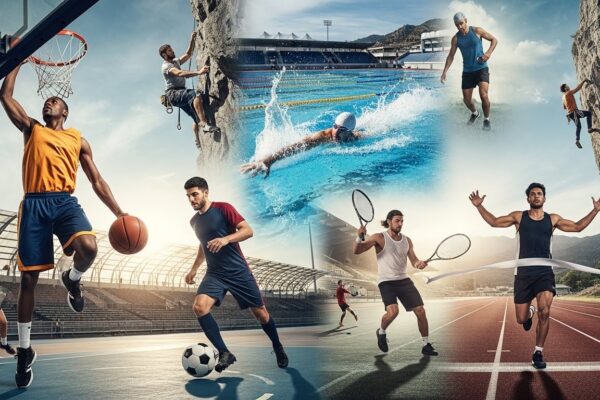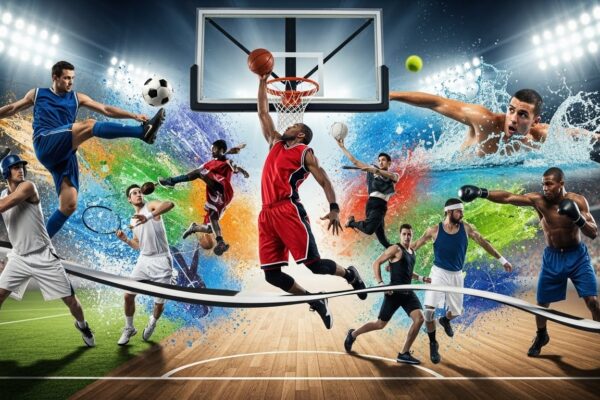
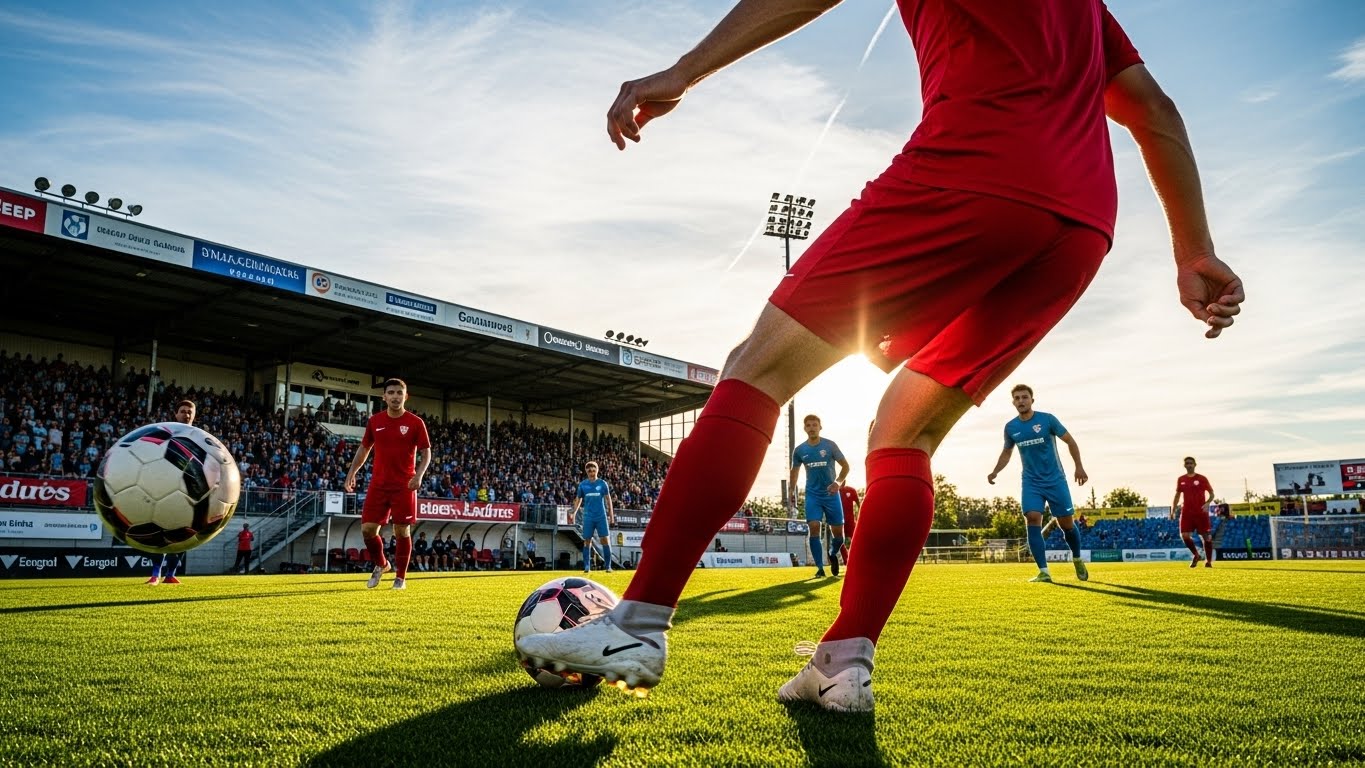
Sports, in their most basic form, are competitive activities that showcase physical strength, skill, and endurance. They are about winning, losing, strategy, and teamwork, yet they transcend beyond the field or arena. From their humble beginnings in ancient civilizations to their current status as a global phenomenon, sports have evolved into more than just a form of entertainment. They are a cultural cornerstone, bringing people from different backgrounds, cultures, and nations together. The power of sports lies not only in the game itself but in its ability to unite people and communities, foster personal growth, and spark social change.
In this blog post, we will explore the many dimensions of sports, how they impact lives, and why they are more than just a way to pass the time.
The Historical and Cultural Significance of Sports
Sports have been an integral part of human culture for thousands of years. Ancient civilizations such as the Greeks, Egyptians, and Romans placed great value on physical prowess, holding athletic competitions to honor their gods or to celebrate special occasions. The ancient Olympic Games, which began in Greece around 776 BC, are perhaps the most famous example of sports as a cultural and spiritual event. These games not only celebrated human strength and agility but also emphasized the importance of fair competition and unity.
In the modern era, sports continue to serve as a reflection of the societies in which they are played. Different cultures have their own unique sports that hold significant historical or cultural meaning. From cricket in India to football (soccer) in Brazil, sports are deeply woven into the fabric of national identities. The significance of sports goes beyond entertainment; they represent values, traditions, and, in some cases, political statements.
The Role of Sports in Building Character
One of the most profound impacts of sports is on an individual’s personal development. Whether you’re a professional athlete or someone who enjoys playing sports recreationally, the experiences gained on the field can shape your character in meaningful ways.
Discipline and Work Ethic
Athletes often speak about the discipline required to succeed in sports. The countless hours spent training, perfecting techniques, and pushing physical limits are not easy, yet they yield important life lessons. Learning how to set goals, commit to routines, and develop perseverance are attributes that athletes carry into their personal and professional lives. The process of striving for excellence in sports teaches people that success requires patience, sacrifice, and consistent effort.
Resilience and Mental Toughness
Sports are often seen as a test of physical strength, but they are equally a mental battle. Athletes face setbacks in the form of injuries, losses, and tough opponents. It is during these challenging moments that the importance of resilience becomes clear. Athletes who are able to bounce back from setbacks and keep pushing forward develop mental toughness that extends beyond the playing field. This ability to overcome adversity can empower individuals to tackle life’s challenges with the same determination and focus.
Teamwork and Collaboration
While individual sports like tennis or golf require personal skill and mental strength, team sports such as basketball, football, and soccer emphasize the importance of collaboration and working towards a common goal. The bonds formed between teammates, based on mutual respect and trust, often become lifelong friendships. Team sports teach the value of communication, cooperation, and collective effort, reinforcing the idea that success is often achieved through unity.
The Global Impact of Sports
While sports have a profound personal impact, their influence extends far beyond the individual level. On a global scale, sports act as a bridge between cultures and nations, bringing people together in ways that few other activities can.
International Competitions and Global Unity
Major international sports events such as the FIFA World Cup, the Summer and Winter Olympics, and the Rugby World Cup are watched by millions of people around the world. These competitions, though rooted in rivalry, have a unique ability to foster a sense of global unity. Regardless of where people are from, they share in the excitement and passion of these events, uniting fans across geographic and cultural divides.
The Olympic Games, in particular, have a long history of promoting peace and diplomacy through sports. The Olympic motto, “Citius, Altius, Fortius” (Faster, Higher, Stronger), encourages athletes to push the boundaries of human potential, while the Games themselves aim to create a platform where countries can compete in a spirit of friendship and respect.
Sports as a Vehicle for Social Change
Throughout history, sports have been used as a platform for social activism. Athletes have spoken out on important issues ranging from racial inequality to gender rights, using their platform to inspire change. Icons like Muhammad Ali, Jackie Robinson, and Billie Jean King have used their fame to challenge societal norms and advocate for social justice. Their courage on and off the field has paved the way for future generations to continue this fight.
The most recent example of sports as a tool for social change came in the form of the Black Lives Matter movement. Athletes, particularly in the NBA and NFL, have used their visibility to speak out against racial discrimination and police brutality. The power of sports to influence societal attitudes cannot be overstated, and athletes continue to inspire millions with their voices and actions.
Economic and Political Influence
Sports also play a significant role in the global economy. The sports industry, worth billions of dollars annually, includes everything from advertising and sponsorships to merchandise and media rights. Major sporting events like the FIFA World Cup generate billions of dollars in revenue, contributing to local economies and boosting tourism.
On a political level, sports can also be a tool for diplomacy. Countries often use sports events to promote their image and foster relationships with other nations. International events can create an opportunity for political leaders to meet, discuss issues, and even reach agreements that have little to do with the sport itself.
The Benefits of Sports for Mental Health and Well-Being
In addition to the physical benefits, sports have a profound impact on mental health. Engaging in regular physical activity releases endorphins, which are natural mood elevators. This simple act of exercise can alleviate stress, reduce anxiety, and combat depression. For many people, sports provide an outlet for stress relief and an opportunity to clear their minds after a busy day.
Sports also foster a sense of community and belonging, which is essential for mental well-being. The camaraderie of teammates or the shared experience of being part of a fanbase can create a sense of connection, reducing feelings of loneliness and isolation. In some cases, sports programs have been instrumental in supporting mental health initiatives by providing a safe space for individuals to open up and discuss their struggles.
The Future of Sports: Technology and Innovation
As technology continues to evolve, so too does the world of sports. Innovations such as performance-enhancing wearables, data analytics, and virtual reality are changing the way athletes train and compete. Technology has made sports more accessible, with online platforms allowing fans to follow their favorite teams and athletes from anywhere in the world. Social media has become a powerful tool for athletes to engage with their fans, while streaming services have revolutionized the way sports content is consumed.
Looking ahead, it is likely that sports will continue to be shaped by technology. Esports, which involves competitive video gaming, is already a growing phenomenon, with millions of fans tuning in to watch professional gamers compete at the highest level. As technology advances, it is possible that new forms of sports will emerge, creating even more ways for people to connect and engage with their passion for competition.
Conclusion: More Than Just a Game
Sports are not just games—they are a global force that brings people together, shapes character, and sparks social change. They are an integral part of human history, providing a platform for individual and collective growth. Whether it’s the discipline learned through training, the mental resilience gained from overcoming challenges, or the joy of competing with others, sports have the ability to enrich lives in ways that few other activities can.
From fostering global unity to promoting social change, sports transcend borders and cultures, reminding us of our shared humanity. As we look to the future, the role of sports in our lives will continue to evolve, but their impact will always remain significant. Through sports, we find not just competition—but connection, community, and a powerful means to create positive change in the world.