
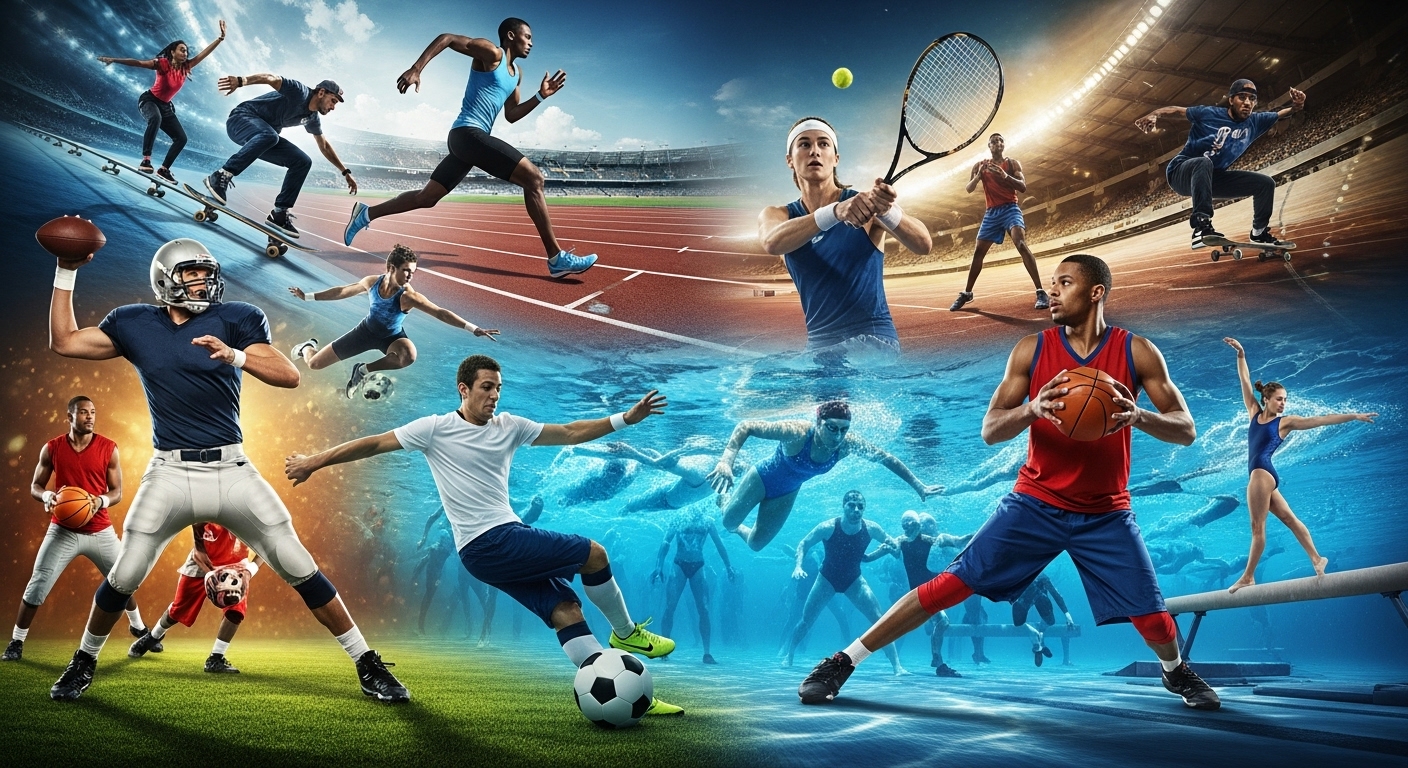
Sports are an essential element of human culture, weaving through the fabric of society in ways that go beyond entertainment and competition. For thousands of years, humans have competed, celebrated victories, and learned valuable lessons through sports. From the ancient Olympic Games in Greece to modern-day international tournaments, sports have always had a profound effect on individuals, communities, and even entire nations. The power of sports is undeniable, influencing not only physical health but also mental well-being, social development, and global unity. This blog post explores the many layers of sports, from their historical evolution to their modern-day significance, their influence on culture, and the way they shape our lives both on and off the field.
The Historical Roots of Sports: A Cultural Reflection
The concept of sport as a form of competition and entertainment has been present for centuries, with its origins stretching back to ancient civilizations. Some of the earliest documented sports date back to ancient Egypt, Mesopotamia, and China, where physical contests were often linked to religious ceremonies or military training. These early forms of sports were more than just pastimes; they were deeply ingrained in cultural rituals, symbolic of strength, agility, and the human drive for survival.
Ancient Greece is often credited with establishing the foundations of modern sports. The Olympic Games, first held in 776 BC, became the cornerstone of Greek athletic competition and are still celebrated today as the world’s most prestigious sporting event. These games were not only a showcase of physical skill but also a form of worship and a reflection of Greek ideals such as beauty, strength, and honor. Events like footraces, wrestling, and chariot racing were designed to demonstrate these virtues, setting the stage for the global sporting competitions we know today.
The Roman Empire, though known for its gladiatorial combat, also had a significant influence on the evolution of sports. Gladiator battles, which took place in large amphitheaters such as the Colosseum, were a brutal form of entertainment that showcased physical endurance and combat skills. These events were symbolic of Roman power and served to entertain and distract the masses from political turmoil. While the gladiatorial games were violent and often deadly, they were a form of spectacle that shaped the way people viewed sport and competition.
As civilizations evolved, so did the nature of sports. The Middle Ages saw a decline in organized sports due to the dominance of the Church and the focus on religious practices. However, folk games and tournaments continued in various parts of Europe, laying the groundwork for modern-day team sports. The Renaissance period revived interest in physical fitness and competition, setting the stage for the emergence of more formalized sports in the 19th century.
The Rise of Modern Sports: From Amateur to Professional
The 19th century marked a turning point in the development of modern sports. The Industrial Revolution, which brought about urbanization, created a need for organized recreational activities. People had more leisure time, and the rise of public schools and universities helped formalize the structure of many sports. This period saw the creation of the first professional sports leagues, which would later become the backbone of the global sports industry.
One of the most notable events in the history of modern sports was the codification of rules for games like football, cricket, and rugby. The Football Association was formed in 1863 in England, creating standardized rules for the game of football (soccer in the United States), and soon after, football spread across the world, becoming the most popular sport globally. Similarly, rugby and cricket gained prominence in the British Empire, with each sport becoming entrenched in countries such as New Zealand, South Africa, and India.
The United States also saw the rise of professional sports leagues during this time. Baseball became a national pastime, with the establishment of Major League Baseball (MLB) in the late 1800s. Basketball, invented in 1891 by Dr. James Naismith, quickly gained popularity, especially with the creation of the National Basketball Association (NBA) in the mid-20th century. These leagues helped solidify the commercial success of sports, turning athletes into stars and creating an industry that would continue to grow exponentially in the years to come.
As sports evolved, so too did the concept of professionalism. Athletes transitioned from being amateurs to full-time professionals, with sponsorship deals, endorsements, and lucrative contracts becoming a standard part of the sports landscape. This shift changed the way people viewed athletes, transforming them from local heroes into global icons. The commercialization of sports has undoubtedly led to an explosion of popularity, making events like the FIFA World Cup, the Olympics, and the Super Bowl multi-billion-dollar industries.
The Role of Sports in Society: Beyond Entertainment
While sports have certainly become a form of entertainment, their role in society extends far beyond mere recreation. Sports have a unique ability to bring people together, uniting fans and athletes from all walks of life. They provide a shared experience that fosters a sense of community and pride, whether it’s through rooting for a national team in the World Cup or cheering for a local sports club. The bonds formed in sports are deep, and they often transcend personal differences such as race, gender, and nationality.
One of the most powerful ways sports influence society is through their ability to inspire and motivate individuals. Athletes serve as role models, showing what is possible through hard work, determination, and perseverance. For many, sports are a source of hope and inspiration, especially for marginalized communities. The stories of athletes who rise from humble beginnings to achieve greatness—like Michael Jordan, Serena Williams, or Lionel Messi—show the world that success is attainable regardless of one’s background.
Sports also have the power to foster social change. Throughout history, athletes have used their platforms to speak out against injustice and fight for equality. One of the most iconic moments of this was in 1968, when Olympic sprinters Tommie Smith and John Carlos raised their fists in a Black Power salute during the medal ceremony, protesting racial inequality in the United States. More recently, athletes like Colin Kaepernick have used their positions to protest police brutality and racial injustice, showing that sports can be a powerful tool for social activism.
Moreover, sports have a significant impact on health and wellness. Participating in sports encourages physical activity, which is essential for maintaining a healthy body and mind. Regular exercise improves cardiovascular health, increases strength and flexibility, and helps prevent a range of chronic diseases. Beyond physical health, sports also promote mental well-being, helping individuals manage stress, anxiety, and depression. The psychological benefits of sports are well-documented, with physical activity helping to release endorphins that improve mood and reduce negative emotions.
Sports also teach important life skills such as teamwork, discipline, and leadership. In team sports, players must learn how to communicate effectively, collaborate with others, and support each other in order to succeed. These lessons translate into other areas of life, including the workplace, relationships, and personal growth. The sense of accomplishment that comes from achieving a goal in sports—whether it’s winning a game, finishing a race, or mastering a skill—builds confidence and resilience that extends beyond the field.
The Global Impact of Sports: Uniting the World
The global appeal of sports is unmatched. Major sporting events like the FIFA World Cup and the Olympics bring together people from all corners of the world, celebrating human achievement and fostering global unity. The Olympics, for example, are an opportunity for nations to set aside their differences and compete in the spirit of peace and friendship. Despite geopolitical tensions and conflicts, the Games remain a symbol of hope and cooperation, showing that sports have the power to unite people across cultures and borders.
Football (soccer) is arguably the most unifying sport on the planet. With billions of fans worldwide, football has the ability to create a sense of belonging and national pride. The FIFA World Cup, held every four years, is watched by millions across the globe, with fans gathering in stadiums and in their homes to support their national teams. The sense of excitement and camaraderie that comes with these tournaments is unparalleled, and the victory of a national team can elevate a country’s spirit and foster a collective sense of achievement.
Beyond the global stage, sports also serve as a tool for diplomacy and peacebuilding. Sports have been used as a means of bringing together countries with strained relationships, with events like the “Ping Pong Diplomacy” between the United States and China in the 1970s demonstrating the power of sports to open doors for dialogue and cooperation. In conflict zones, sports have been used to promote reconciliation and healing, offering individuals a safe space to express themselves and connect with others.
The Future of Sports: Embracing Innovation
As we move into the future, the world of sports will continue to evolve. Technology, in particular, is poised to transform how we play, watch, and experience sports. Advances in sports science and data analytics are allowing athletes to optimize their performance and recover more efficiently. Wearable technology is helping track everything from heart rate to sleep patterns, providing valuable insights into an athlete’s physical condition.
The rise of eSports, or competitive video gaming, is another major development in the sports industry. What started as a niche hobby has quickly evolved into a multi-billion-dollar industry, with eSports tournaments drawing millions of viewers and offering large cash prizes. The integration of virtual reality (VR) and augmented reality (AR) will likely continue to enhance the fan experience, providing immersive ways to watch games from any perspective and even participate in simulations of real-life sports events.
At the same time, there is growing awareness of the need for sustainability in sports. Major events like the Olympics and the World Cup have a significant environmental impact, with vast amounts of energy, resources, and waste generated. Moving forward, sports organizations are increasingly focused on reducing their carbon footprint, implementing eco-friendly practices, and promoting environmental responsibility among athletes and fans alike.
Conclusion: The Everlasting Legacy of Sports
Sports have been a part of human history for millennia, and their influence continues to grow in the modern world. Beyond providing entertainment, sports are a source of personal growth, social connection, and global unity. They inspire people to push their limits, challenge societal norms, and strive for excellence. Whether on the playing field or in the stands, sports have the ability to unite us, remind us of our shared humanity, and offer hope for a brighter future. As technology, inclusivity, and sustainability continue to shape the world of sports, one thing is certain: the transformative power of sports will remain a force for good for generations to come.