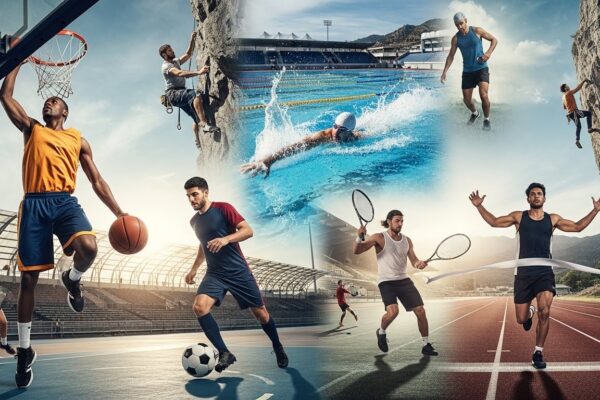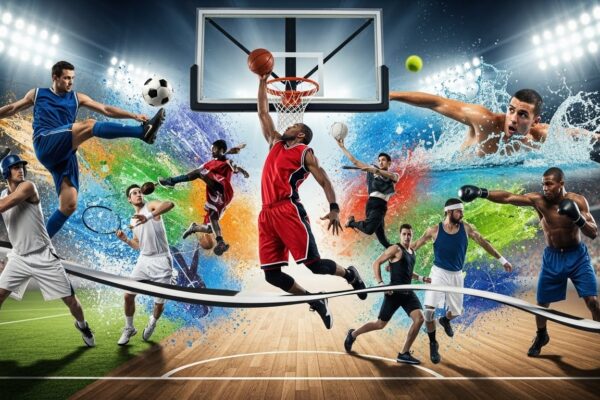
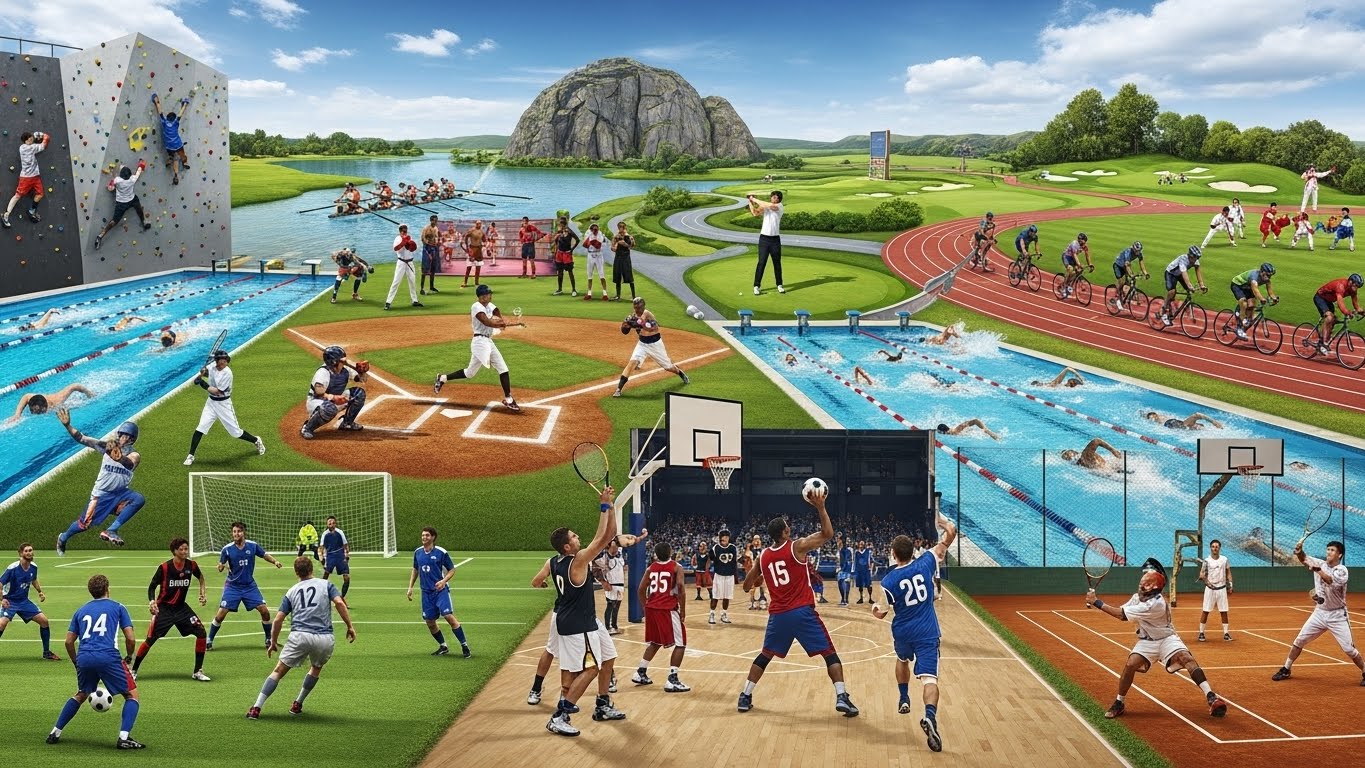
Sports have been an integral part of human society for centuries. From the ancient Olympic Games in Greece to modern international competitions, sports are more than just games; they are a reflection of culture, a tool for personal development, and a source of global unity. While many people focus solely on the physical aspect of sports, the benefits extend far beyond the field or court. In this article, we explore the multifaceted impact of sports, from building character to promoting health and connecting communities.
The Physical Benefits of Sports
At its core, sports are a form of physical activity, and their health benefits are well-documented. Regular participation in sports improves cardiovascular health, strengthens muscles and bones, enhances flexibility, and boosts overall endurance. Engaging in sports also helps maintain a healthy body weight, reduces the risk of chronic diseases like diabetes and hypertension, and strengthens the immune system.
Moreover, different sports offer unique physical advantages. For example, swimming provides a full-body workout that is gentle on the joints, making it ideal for people of all ages. Running and cycling improve cardiovascular endurance and stamina, while sports like basketball and soccer enhance agility, coordination, and balance. The variety of physical benefits ensures that there is a sport suitable for everyone, regardless of age, fitness level, or personal preference.
Mental Health and Cognitive Development
While the physical benefits of sports are widely recognized, their positive impact on mental health is equally important. Participating in sports has been linked to reduced stress levels, improved mood, and better sleep patterns. Exercise stimulates the production of endorphins, chemicals in the brain that act as natural mood lifters, helping athletes feel happier and more relaxed.
Sports also promote cognitive development and mental sharpness. Team sports, in particular, require strategic thinking, problem-solving, and quick decision-making, all of which enhance mental agility. Even individual sports, such as tennis or martial arts, demand focus, discipline, and self-control. Regular involvement in sports has been shown to improve memory, attention span, and overall brain function, making it a valuable tool for both children and adults.
Life Lessons Learned on the Field
Beyond health, sports teach essential life skills that extend into everyday life. Discipline is one of the most significant lessons athletes learn. Consistent training, adherence to rules, and the commitment to improving performance foster a sense of responsibility and work ethic. These qualities often translate into other areas of life, including academics, careers, and personal relationships.
Sports also teach resilience and the ability to cope with failure. Losing a game or failing to meet personal goals can be frustrating, but learning to persevere and bounce back is a critical life skill. Athletes learn to handle setbacks gracefully, analyze mistakes, and develop strategies for improvement. This resilience fosters mental toughness, which can help individuals face challenges beyond the sports arena.
Team sports, in particular, emphasize the importance of collaboration and communication. Working with teammates toward a shared objective teaches athletes how to cooperate, compromise, and support others. These social skills are invaluable in professional environments, family life, and community engagement, highlighting how sports prepare individuals for more than just athletic competition.
Fostering Social Connections and Community
Sports have a unique ability to bring people together. Whether through local leagues, school teams, or international competitions, sports create opportunities for social interaction and community building. Fans bond over shared victories and losses, and athletes form lifelong friendships through teamwork and shared experiences.
Moreover, sports promote inclusivity and diversity. They provide a platform for individuals from different backgrounds, cultures, and socioeconomic statuses to come together with a common purpose. International events like the World Cup or the Olympics exemplify this global unity, where nations celebrate athletic excellence while fostering mutual respect and understanding.
At the local level, community sports programs can be particularly impactful. They engage youth in productive activities, reduce social isolation, and encourage civic participation. These programs often serve as safe spaces where children and adolescents can develop social skills, gain confidence, and find mentorship. Sports, in this sense, act as a bridge connecting individuals and strengthening the social fabric.
The Role of Sports in Education
Sports and education are deeply interconnected. Participation in athletics has been shown to improve academic performance by teaching time management, goal setting, and perseverance. Student-athletes often develop better organizational skills as they balance training, competition, and schoolwork. Additionally, schools that emphasize sports foster a culture of discipline, teamwork, and motivation, benefiting the entire student body.
Physical education programs also play a crucial role in promoting lifelong fitness habits. Teaching children about the importance of exercise, nutrition, and healthy competition sets the foundation for a healthy lifestyle. These lessons extend beyond the classroom, helping young people make informed choices about their well-being as they grow older.
Sports as a Catalyst for Personal Growth
Engaging in sports is not just about winning trophies or setting records; it is also a journey of self-discovery and personal growth. Sports push individuals to confront their limitations, embrace challenges, and develop confidence in their abilities. This sense of accomplishment, whether from mastering a new skill or overcoming a difficult opponent, fosters self-esteem and a positive self-image.
Moreover, sports encourage goal-oriented thinking. Athletes learn to set measurable, attainable objectives and work consistently toward achieving them. This mindset can be applied to every aspect of life, from pursuing higher education to advancing in a career. The process of striving, learning, and improving creates a growth-oriented perspective that benefits both personal and professional development.
Sports and Cultural Identity
Sports are also deeply intertwined with culture and identity. They reflect societal values, traditions, and collective aspirations. National sports heroes often become symbols of pride, inspiring younger generations and shaping cultural narratives. For instance, cricket in India, soccer in Brazil, and sumo wrestling in Japan are more than games—they are integral components of national identity and cultural expression.
Additionally, sports serve as a medium for cultural exchange and understanding. International tournaments provide opportunities for people to experience diverse customs, languages, and perspectives. Athletes and fans alike engage in cross-cultural interactions, fostering empathy, tolerance, and global awareness. In this way, sports contribute to a more interconnected and harmonious world.
The Business and Entertainment Aspects of Sports
In the modern era, sports have evolved into a global industry encompassing entertainment, media, and business. Professional leagues, sponsorship deals, broadcasting rights, and merchandise sales generate billions of dollars annually. This commercialization has expanded the reach and visibility of sports, making them accessible to audiences worldwide.
While some criticize the commercialization of sports for prioritizing profit over competition, it has undeniable benefits. It provides athletes with financial stability, enables investment in infrastructure, and enhances fan engagement. Additionally, the entertainment aspect of sports brings joy, excitement, and inspiration to millions of people, making them a vital part of contemporary culture.
The Future of Sports
The future of sports is poised to be shaped by technology, innovation, and evolving societal values. Advances in sports science, wearable technology, and data analytics are transforming training, performance evaluation, and injury prevention. Virtual reality and augmented reality may redefine fan experiences, allowing immersive engagement with games and events.
Moreover, there is a growing emphasis on inclusivity, equality, and mental health in sports. Efforts to promote gender equity, accessibility for athletes with disabilities, and awareness of mental well-being are redefining what it means to participate in sports. The future will likely see a balance between athletic excellence, ethical standards, and holistic development, making sports more meaningful and impactful for everyone involved.
Conclusion
Sports are far more than mere games; they are a microcosm of life itself. They enhance physical health, strengthen mental resilience, teach valuable life lessons, foster social connections, and celebrate cultural identity. Beyond the thrill of competition and the glory of victory, sports shape character, inspire communities, and create lasting memories.
In an increasingly fast-paced and digital world, sports remain a timeless reminder of human potential, perseverance, and unity. Whether you are an athlete striving for excellence, a fan cheering from the sidelines, or a community member supporting local initiatives, sports offer something profound for everyone. They remind us that life, much like a game, is about effort, teamwork, resilience, and the joy of playing beyond the scoreboard.