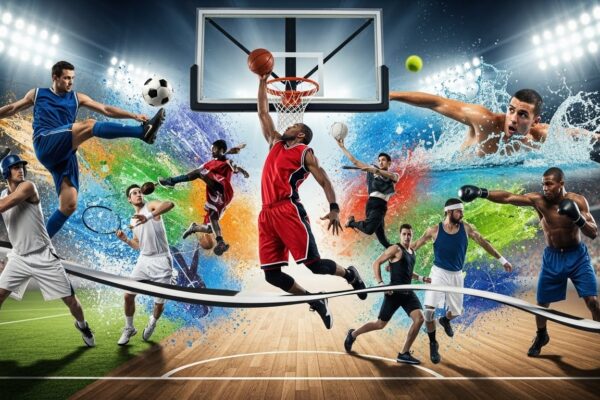
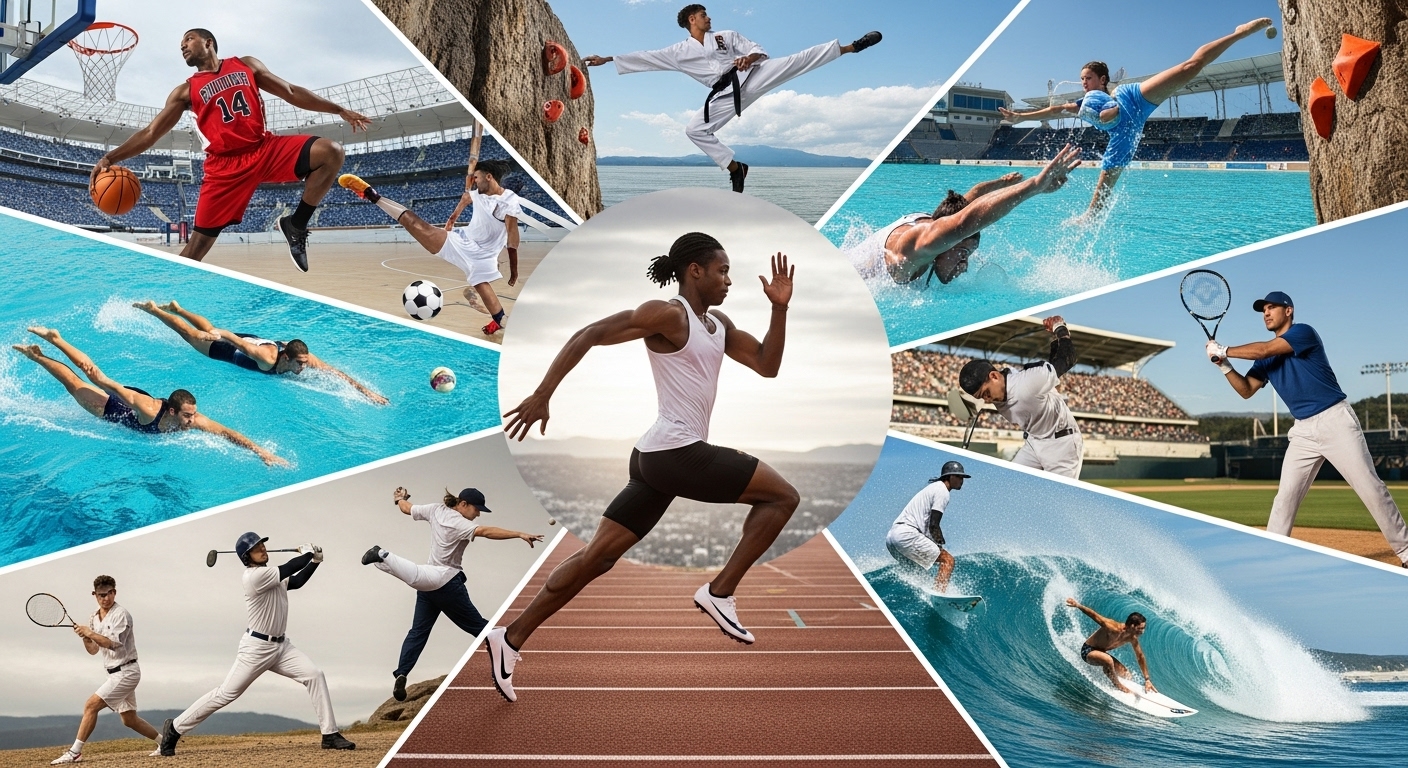
Sports have been an integral part of human culture for centuries. They bring people together, promote health, and serve as a platform for learning life lessons. But sports are not just about winning or losing; they’re a powerful force that shapes our lives in deeper ways than most realize. In this blog post, we’ll explore how sports go beyond the field and court to impact our physical, mental, and social well-being.
The Physical Benefits: Strength, Stamina, and Health
It’s no secret that sports help keep us physically fit. Whether it’s running, cycling, swimming, or playing team sports like football or basketball, physical activity through sports enhances cardiovascular health, boosts endurance, and strengthens muscles. Regular participation in sports can help prevent chronic conditions such as heart disease, diabetes, and obesity. Sports also improve flexibility and coordination, which are essential for daily activities and injury prevention.
From a young age, engaging in physical activities helps kids develop motor skills, increase bone density, and build a foundation for a healthier future. The benefits extend far beyond the immediate effects of exercise; sports foster lifelong habits that encourage a more active and health-conscious lifestyle.
Mental Resilience: Training the Mind as Well as the Body
While the physical benefits of sports are obvious, the mental advantages are often overlooked. Regular participation in sports has been shown to improve cognitive function, boost memory, and reduce stress. Exercise promotes the release of endorphins, which are natural mood enhancers. This is why many people find themselves feeling more mentally refreshed and energized after a workout or match.
Sports also play a significant role in developing mental toughness. Athletes regularly face setbacks, whether it’s a missed shot, an injury, or a loss in competition. How they respond to these challenges is critical to their mental growth. The resilience learned through sports – the ability to bounce back after failure, stay focused under pressure, and keep pushing forward – is an invaluable life skill that translates into personal and professional success.
Social Benefits: Building Relationships and Connecting Cultures
Sports are one of the few universal experiences that can unite people from all walks of life. Whether you’re playing a local game of soccer or cheering on a professional team in the World Cup, sports foster a sense of community and camaraderie. Team sports, in particular, emphasize the importance of working together toward a common goal. The lessons of collaboration, communication, and mutual support learned on the field are skills that benefit participants both on and off the field.
Moreover, sports have a unique ability to bridge cultural and social divides. People from different backgrounds, religions, and countries come together through their shared love of the game. International sports events such as the Olympics or the FIFA World Cup are a testament to how sports can transcend boundaries and promote peace, unity, and mutual respect among nations.
Life Lessons: Discipline, Perseverance, and Time Management
One of the most valuable aspects of sports is the life skills it teaches. Through sports, we learn the importance of discipline and hard work. Success doesn’t happen overnight – it takes hours of practice, a willingness to improve, and perseverance in the face of challenges. Athletes understand that consistent effort, combined with the right mindset, can lead to great achievements.
Time management is another essential skill that sports instill. Athletes must balance their training schedules, competitions, and personal commitments. This experience teaches them to prioritize tasks, stay organized, and make the most of their time. These are lessons that benefit individuals long after they leave the playing field.
The Power of Sports in Personal Growth
Sports are a powerful vehicle for personal growth. They provide opportunities for self-expression, confidence-building, and the development of leadership skills. Whether you’re playing an individual sport like tennis or running, or part of a team, you are constantly learning about yourself. The challenges faced in sports often push individuals to discover their potential, stretch their limits, and exceed expectations.
For children and young adults, sports can play a key role in shaping their identity and self-esteem. It teaches them the value of hard work, the importance of setting and achieving goals, and how to navigate success and failure with grace. Many of life’s greatest lessons are learned through sports – lessons that often can’t be taught in a classroom.
Sports as a Reflection of Society
Sports also reflect the larger society in which they exist. They hold a mirror to social issues, including inequality, discrimination, and gender stereotypes. Over the years, athletes have used their platforms to challenge these issues and spark meaningful conversations. From the Civil Rights Movement to the fight for gender equality in sports, athletes have often been at the forefront of advocating for change.
Moreover, the evolving nature of sports reflects broader societal changes. As women’s sports gain more visibility and LGBTQ+ athletes are celebrated for their authenticity, sports continue to evolve into more inclusive spaces. This progress serves as a reminder that sports are not just about competition but also about representation, fairness, and equality.
Conclusion: More Than Just a Game
Sports are not just a way to pass the time or a form of entertainment. They are a vital part of the human experience, offering benefits that go beyond physical fitness. From teaching valuable life skills to fostering mental resilience and creating opportunities for social connection, sports shape individuals and societies in profound ways.
Whether you’re an athlete, a fan, or someone who simply enjoys the occasional game, the impact of sports on our lives cannot be overstated. So, the next time you lace up your sneakers or cheer from the stands, remember that sports are not just a game – they’re an essential part of our journey toward personal growth, well-being, and unity.