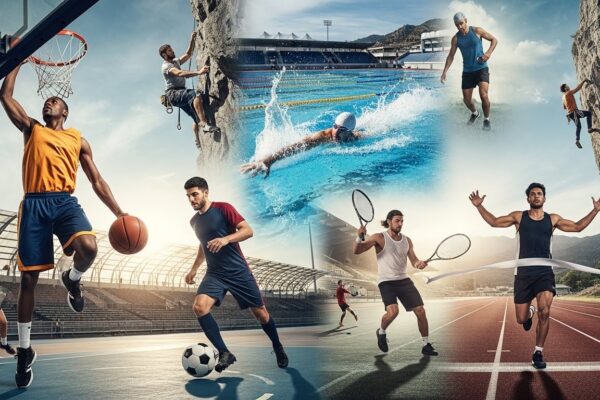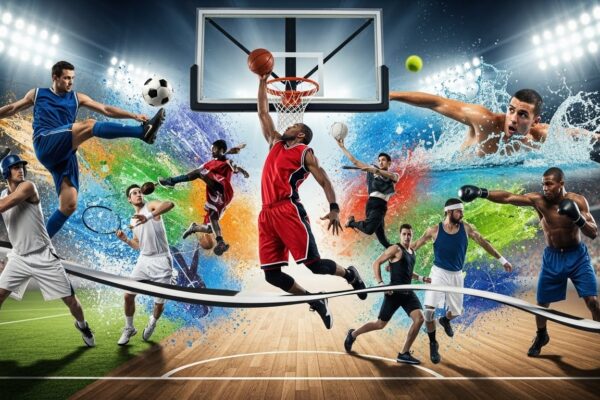
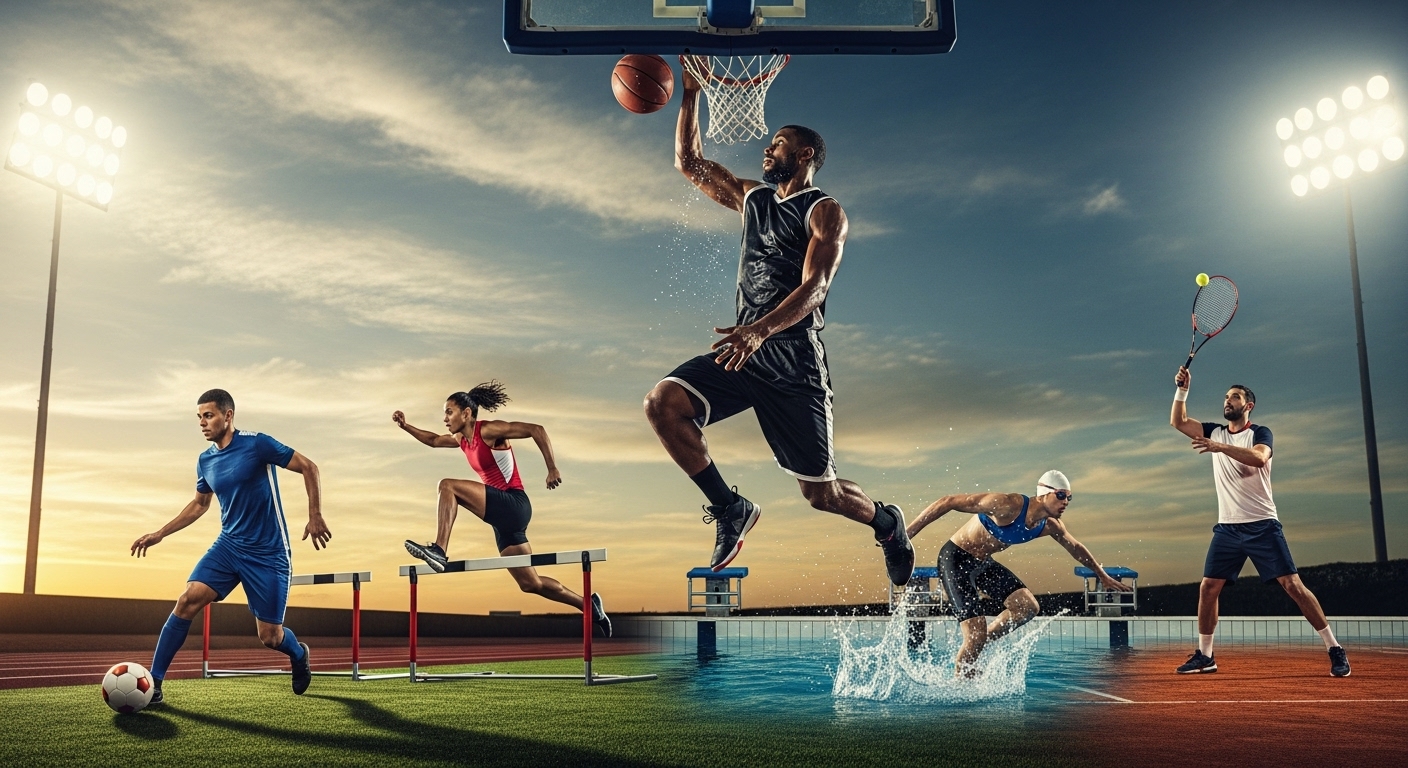
Sports have long been celebrated as a spectacle of skill, strength, and strategy. Yet, beyond the scores and the crowds, there exists a deeper and often overlooked influence sports have on our society. From shaping cultural norms to providing opportunities for social mobility, the impact of sports stretches far beyond the stadiums. Let’s explore how sports shape our world in unexpected ways.
The Cultural Power of Sports
One of the most profound ways sports impact society is through culture. Whether it’s the global excitement surrounding the FIFA World Cup or the fervor of the Super Bowl, sports bring people together. They serve as a universal language that unites diverse groups across the globe, transcending geographical, political, and social barriers.
In many cultures, sports have become more than just a pastime; they’re a part of identity. For example, cricket in India isn’t merely a game—it’s an emotional outlet, a symbol of national pride, and a source of community connection. Similarly, soccer has a deeply ingrained presence in countries like Brazil and Argentina. The celebrations after a team’s victory or the collective sigh after a loss represent more than the outcome of a match; they represent a shared cultural experience.
Sports as a Pathway to Social Mobility
For many, sports present a rare opportunity to rise above their socio-economic circumstances. The story of an athlete overcoming hardship to reach the top is a common narrative in many countries. This phenomenon can be especially powerful in areas where education or career prospects might be limited, and sports offer an alternative pathway to success.
Consider the case of athletes from disadvantaged neighborhoods, who use sports to escape poverty. Basketball courts in inner-city areas, soccer fields in rural communities, and track lanes in underserved schools often become the training grounds for future champions. The transformative power of sports doesn’t just lie in the potential for fame and wealth; it lies in the belief that anything is possible, given the right skills, mindset, and opportunities.
The Role of Sports in Health and Well-Being
While the mental and emotional aspects of sports are widely recognized, the physical benefits cannot be understated. Regular participation in sports leads to improved cardiovascular health, better muscle tone, and increased flexibility. Beyond physical health, sports also play a crucial role in mental well-being.
Engaging in physical activity has been shown to reduce stress, anxiety, and depression, while also boosting self-esteem and cognitive function. For young people, sports can teach valuable lessons in perseverance, teamwork, and leadership. These traits not only improve their athletic performance but also shape their approach to challenges in everyday life. The discipline and focus required to excel in sports can translate into other areas of life, making athletes more resilient in the face of adversity.
The Global Influence of Sports: More Than Just Entertainment
Sports have become an essential aspect of modern-day entertainment, and their global reach is undeniable. The television ratings of international sports events consistently break records, with billions tuning in to watch the Olympics, World Cup, or the NBA Finals. However, the influence of sports is not just confined to the realm of entertainment. The industries surrounding sports—such as media, sponsorship, merchandise, and tourism—have a significant economic impact.
Sporting events like the Olympics or the World Cup can boost local economies by attracting tourists, creating jobs, and stimulating infrastructure development. Moreover, these events often promote a sense of national pride, as countries compete to show the world their prowess and culture. The global sponsorship deals and media rights associated with major sports leagues and tournaments are worth billions of dollars, showing just how intertwined sports have become with global commerce.
The Unifying Power of Sports in Times of Crisis
In times of societal or national crises, sports have an incredible ability to bring people together and restore a sense of normalcy. After natural disasters, political upheaval, or economic downturns, sporting events provide a rare opportunity for communities to escape their hardships and experience joy. The 2014 FIFA World Cup, for instance, was seen as a moment of national unity for Brazil, following years of political and economic turmoil.
Sports also have the power to provide healing after conflict. Countries that have endured civil wars or ethnic strife have often used sports as a means to foster peace and reconciliation. The iconic image of Nelson Mandela presenting the Rugby World Cup to Francois Pienaar in 1995 serves as a testament to how sports can bridge deep divides and help nations heal.
Conclusion: Sports Beyond the Field
In conclusion, sports are more than just a form of entertainment or competition; they are a reflection of our society’s values, struggles, and triumphs. From fostering community unity to offering a platform for social mobility, sports have the power to shape our world in profound ways. Whether on the global stage or in local communities, the influence of sports continues to expand, touching lives in ways that are often invisible but undeniably significant. It’s time to recognize that sports, in all their forms, are not just games—they are an essential part of our shared human experience.