
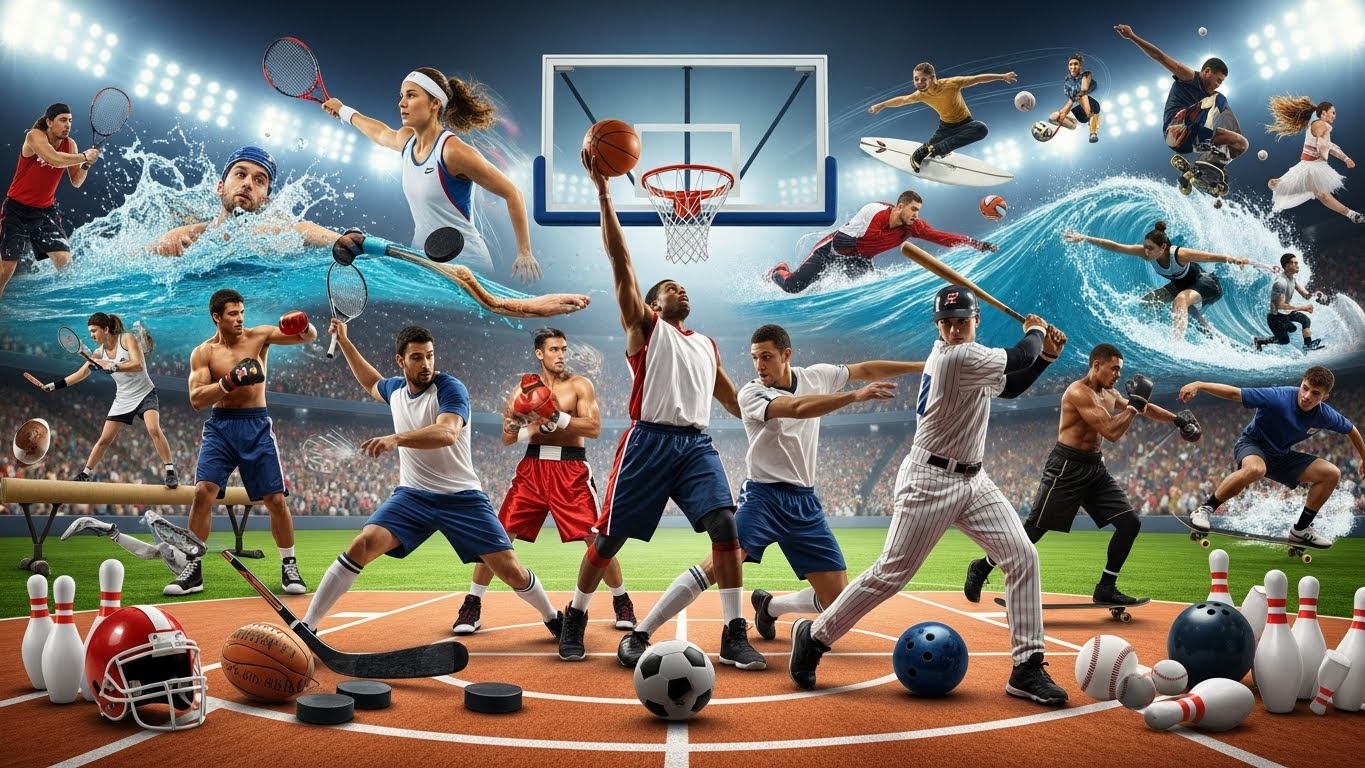
Sports are more than just games played on fields, courts, or tracks. They are a reflection of human ambition, determination, and spirit. From the local playgrounds to global arenas, sports have always been a universal language that transcends cultural, linguistic, and social boundaries. They bring people together, challenge our limits, and inspire generations. In this post, we will explore the multifaceted world of sports, examining their impact on society, the benefits of participation, the evolution of competitive sports, and how they continue to shape lives today.
The Historical Significance of Sports
The history of sports dates back thousands of years. Ancient civilizations used games and competitions not only for entertainment but also for training, religious ceremonies, and social cohesion. In Ancient Greece, the Olympic Games were a showcase of athletic prowess and cultural pride, a tradition that has endured in modern times. Similarly, ancient Chinese, Egyptian, and Mesoamerican cultures had their own forms of competitive sports, often linked to rituals and physical training for warriors.
Sports have always reflected society’s values. In many cultures, strength, endurance, and strategy were celebrated as essential qualities. Over time, sports evolved from informal contests into organized events with established rules, professional athletes, and international competitions. This historical trajectory shows that sports are not just pastimes; they are deeply embedded in human civilization and continue to influence our collective identity.
Physical and Mental Benefits of Sports
One of the most obvious advantages of sports is the promotion of physical health. Regular participation in sports improves cardiovascular health, strengthens muscles, enhances flexibility, and helps maintain a healthy weight. Beyond the physical, sports play a critical role in mental well-being. Engaging in sports releases endorphins, the body’s natural mood enhancers, which reduce stress, anxiety, and depression.
Sports also teach discipline and perseverance. Athletes must adhere to strict training regimens, practice consistently, and push through setbacks. This sense of discipline often carries over into other areas of life, fostering a mindset of resilience and determination. Moreover, sports help improve cognitive functions such as strategic thinking, problem-solving, and decision-making, particularly in team-based or competitive scenarios.
Sports as a Tool for Social Connection
Sports have a remarkable ability to bring people together. Whether it’s a neighborhood soccer match, a school basketball tournament, or the World Cup finals, sports create shared experiences that build community. They provide opportunities for people of different backgrounds to interact, collaborate, and form lasting friendships.
In professional arenas, sports foster national pride and identity. International competitions allow countries to showcase their talent on a global stage, and fans unite in support of their teams, creating an atmosphere of collective enthusiasm. Beyond national borders, sports also promote intercultural understanding, as global tournaments bring together athletes and spectators from diverse cultural backgrounds.
The Role of Sports in Youth Development
For young people, sports are an invaluable platform for growth and development. Participation in sports teaches essential life skills such as teamwork, leadership, communication, and time management. Children and teenagers learn how to set goals, work towards them, and cope with both victories and defeats. These experiences build character and resilience, shaping well-rounded individuals.
Youth sports programs also provide a positive outlet for energy and creativity. They help combat negative behaviors by engaging young people in structured, goal-oriented activities. Additionally, exposure to sports at an early age often sparks a lifelong passion for physical activity, leading to healthier lifestyles in adulthood.
Professional Sports and Global Entertainment
In today’s world, professional sports have become a massive industry that entertains millions of people worldwide. Major leagues, tournaments, and competitions attract global audiences, generating revenue through ticket sales, broadcasting rights, sponsorships, and merchandise. The sports industry has transformed athletes into cultural icons and role models, influencing fashion, media, and even social movements.
Professional sports also push the boundaries of human performance. Innovations in training, nutrition, and technology allow athletes to achieve feats once thought impossible. Records are broken, new techniques are developed, and the limits of human endurance continue to expand. This pursuit of excellence not only inspires fans but also drives scientific and technological advancements.
The Evolution of Sports Technology
Technology has revolutionized how sports are played, viewed, and analyzed. Video replay systems, wearable fitness trackers, and performance analytics have transformed coaching strategies and player development. Fans now have access to real-time statistics, interactive broadcasts, and virtual experiences that enhance their engagement with the game.
Moreover, technology has made sports more inclusive. Adaptive equipment and innovations in prosthetics allow athletes with disabilities to compete at high levels, including in Paralympic competitions. This technological evolution demonstrates that sports are not static; they continually adapt to societal changes and push for broader participation.
The Psychological Impact of Sports
Beyond physical fitness, sports have profound psychological effects. The sense of achievement, self-confidence, and purpose that comes from athletic participation can shape an individual’s mental landscape. Athletes learn to manage pressure, focus under challenging circumstances, and recover from failures—skills that are transferable to personal and professional life.
Sports also serve as a coping mechanism. Many individuals use athletic activity to deal with stress, trauma, or life transitions. The structured environment of sports provides stability, while the competitive aspect fosters motivation and personal growth. For spectators, following sports offers emotional catharsis, excitement, and a sense of belonging.
Gender and Inclusivity in Sports
Historically, sports were male-dominated spaces, but the landscape has changed significantly over recent decades. Women’s sports have gained recognition and popularity, and gender equality in athletics is increasingly prioritized. Female athletes now compete at elite levels, breaking records and challenging stereotypes, while inspiring future generations.
Inclusivity extends beyond gender. Sports initiatives are increasingly designed to include people of different abilities, ages, and backgrounds. Programs for disabled athletes, senior citizens, and marginalized communities demonstrate that sports are a universal platform for empowerment and personal achievement.
The Economic and Cultural Impact of Sports
Sports contribute significantly to global and local economies. Major events stimulate tourism, create jobs, and drive infrastructure development. Cities that host international competitions often experience long-term benefits in transportation, facilities, and urban planning. Beyond economics, sports influence culture through media, fashion, and art. Iconic moments in sports become part of collective memory, inspiring stories, films, and literature.
Sports also have the power to drive social change. Athletes and organizations often use their platform to raise awareness about social issues, promote environmental sustainability, and support charitable causes. This fusion of sports, culture, and activism shows that athletics extend far beyond physical activity—they are a vehicle for societal transformation.
Challenges and Controversies in Sports
Despite its many benefits, the world of sports is not without challenges. Issues such as doping, corruption, commercialization, and inequality sometimes tarnish the spirit of fair competition. The intense pressure on professional athletes can lead to mental health struggles, burnout, and unethical behavior. Addressing these challenges requires strong governance, ethical practices, and support systems for athletes.
Another challenge is the balance between competitiveness and enjoyment. At youth levels especially, overemphasis on winning can undermine the developmental and recreational benefits of sports. Promoting fair play, sportsmanship, and holistic development remains crucial for sustaining the positive impact of sports.
The Future of Sports
The future of sports is bright and dynamic. Emerging trends such as e-sports, virtual reality competitions, and AI-assisted training are reshaping the definition of athletics. Globalization continues to increase access and exposure to diverse sports, while technology makes participation and fandom more immersive than ever.
Sports will remain a fundamental part of human culture, offering opportunities for connection, growth, and inspiration. They will continue to evolve, reflecting societal values and pushing the boundaries of human achievement. More than anything, sports remind us of the universal qualities that define humanity: resilience, ambition, and the joy of shared experiences.
Conclusion: More Than a Game
Sports are not just a pastime; they are a cornerstone of human experience. They promote physical health, mental well-being, social cohesion, and cultural identity. From historical traditions to modern professional leagues, sports continue to shape society, empower individuals, and inspire communities. Whether played casually in a local park or celebrated in a global stadium, sports embody the essence of human endeavor—the pursuit of excellence, the joy of participation, and the power of connection. In every pass, goal, jump, or sprint, we witness the timeless pulse of the game, a rhythm that unites us all.