
Introduction
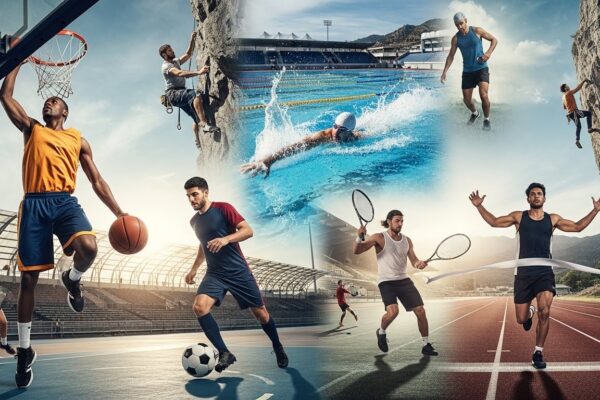
Sports have always been more than a game. They are a universal language that unites people across borders, cultures, and generations. From ancient contests held in open arenas to modern stadiums filled with technology, sports reflect the spirit of competition, resilience, and human achievement. Today, sports are not just a pastime or a show of strength—they are an industry worth billions, a platform for social change, and a mirror of cultural evolution.
This blog explores the fascinating world of sports—how they’ve evolved, how they shape societies, the role of technology, the growth of women’s participation, the business side, and what the future holds for athletes and fans around the world.
The Origins of Sport and Human Competition
The history of sport is as old as civilization itself. Ancient humans engaged in physical contests for survival, strength, and honor. Over time, these contests evolved into organized events that celebrated human potential.
In ancient Greece, the Olympic Games were held as a tribute to the gods, combining athletic skill with cultural pride. In Rome, gladiatorial contests reflected both the brutality and grandeur of the empire. Across the world, ancient civilizations—from China’s martial arts to Mesoamerica’s ball games—used sport as both entertainment and ritual.
Sports have always symbolized more than physical competition. They embody values such as discipline, teamwork, courage, and fairness. These timeless principles remain central to the modern sporting world.
The Modernization of Sports
The nineteenth and twentieth centuries transformed sports from local activities into organized global phenomena. The formation of official rules, leagues, and federations made competition more structured. The invention of mass communication—first newspapers, then radio and television—allowed fans to follow their favorite teams and athletes beyond the stadium.
The modern Olympic Games, revived in 1896, showcased the idea of global unity through competition. Soon after, professional leagues for football, cricket, basketball, and baseball brought commercial structure to sports. These developments turned athletes into stars and sports into a full-scale industry.
The growth of international competitions like the FIFA World Cup, NBA Finals, Wimbledon, and the Tour de France solidified sports as a central part of modern culture. Today, even niche sports attract worldwide audiences through digital streaming and social media.
The Power of Sports as a Global Unifier
Few things have the power to unite people like sports. Whether it’s millions cheering for their national team or a local community supporting a hometown club, sports evoke a collective identity that transcends politics, language, and religion.
When a major sporting event takes place, it captures the attention of the world. The Olympic torch, the World Cup anthem, or the Super Bowl halftime show—these moments symbolize shared experiences that cross national and cultural lines.
Sports also serve as instruments of diplomacy. Historic examples include table tennis diplomacy between the United States and China in the 1970s and the joint Korean teams competing under one flag at international events. These moments show how competition can open doors for peace and mutual respect.
The Economic Engine of the Sports Industry
Sports today represent one of the world’s most powerful industries. Behind every match or tournament lies a massive network of economic activity—from ticket sales and broadcasting rights to sponsorships, merchandising, and tourism.
Professional leagues generate billions of dollars annually. Athletes have become brands, teams are global franchises, and stadiums are architectural marvels designed for both entertainment and revenue. The sports economy also creates millions of jobs in coaching, logistics, media, and manufacturing.
Sports tourism has also flourished. Fans travel across continents to attend matches, fueling local economies. Cities compete fiercely to host major events because of their economic benefits. The 2012 London Olympics, for example, rejuvenated parts of the city’s infrastructure and created a long-term legacy for sports facilities and tourism.
The Role of Technology in Modern Sports
Technology has revolutionized how sports are played, managed, and consumed. From athlete performance analysis to fan engagement, technological innovation touches every aspect of the game.
Performance Enhancement
Wearable devices track heart rate, movement, and exertion, allowing athletes to monitor their physical condition with precision. Coaches use analytics and artificial intelligence to study patterns, predict outcomes, and refine training methods.
Video and Data Analysis
High-speed cameras and motion sensors help referees make accurate decisions and enable teams to study gameplay in incredible detail. Technologies like goal-line systems, VAR, and instant replay ensure fairness and accuracy in officiating.
Fan Experience
For spectators, technology has brought sports closer than ever before. Fans can watch live streams, access interactive statistics, and engage with their favorite players on social media. Augmented and virtual reality are beginning to create immersive viewing experiences, allowing fans to feel as if they’re part of the action.
The Growth of Women’s Sports
One of the most inspiring developments in recent decades is the rise of women’s sports. For generations, women faced limited opportunities in athletics, often restricted by societal norms and lack of funding. However, that narrative is rapidly changing.
Women athletes now headline global events and command massive audiences. Icons in tennis, soccer, athletics, and basketball have become cultural leaders who inspire empowerment and equality. The success of women’s leagues and tournaments has also prompted increased sponsorship and media coverage.
The impact extends beyond the field. The visibility of female athletes challenges stereotypes, encourages young girls to pursue sports, and promotes body positivity and strength. As more brands and organizations invest in women’s sports, the momentum continues to grow, signaling a new era of inclusivity and recognition.
The Business of Sports and Athlete Branding
Modern athletes are not only competitors; they are entrepreneurs and influencers. Through sponsorships, social media, and personal ventures, they build identities that transcend their sports.
A player’s image has become as valuable as their performance. Endorsement deals with apparel, beverage, or technology companies provide immense financial rewards. Social media allows athletes to communicate directly with fans, shaping their narratives and cultivating loyal followings.
At the same time, sports agents, marketers, and managers have emerged as key figures in building athlete brands. With careful image management and strategic partnerships, players can extend their influence into entertainment, fashion, philanthropy, and business ventures.
This blending of sport and commerce has made the athlete’s personal brand a global asset—something that can inspire, entertain, and generate revenue long after retirement.
Sports and Social Impact
Beyond business and entertainment, sports wield enormous social influence. Athletes often use their platforms to advocate for causes ranging from education and health to equality and environmental sustainability.
Sports foundations and charities use the power of play to promote community development. Programs that provide sports facilities in underprivileged areas help build discipline, teamwork, and confidence in young people.
Moreover, sports have become powerful vehicles for social justice movements. Athletes speaking out against racism, discrimination, or inequality have shifted public conversations and inspired change. The visibility and influence of sports figures give weight to their voices, turning competition into a catalyst for progress.
The Science Behind Athlete Performance
Elite athletic performance is a combination of talent, training, and science. Advances in sports science have redefined what the human body can achieve.
Nutrition, biomechanics, psychology, and physiology all play vital roles in optimizing performance. Customized training programs based on data analysis ensure athletes reach peak form without risking injury.
Sports psychology has also gained importance, helping athletes build mental resilience to handle pressure and setbacks. Recovery science—covering areas like sleep, hydration, and muscle rehabilitation—has become as critical as training itself.
Today’s athletes are not only stronger and faster but also smarter about their bodies and minds. The fusion of science and sport continues to push the limits of human potential.
The Importance of Sports Education and Youth Development
The foundation of all great athletes begins in youth sports. Early participation teaches discipline, teamwork, and perseverance. Schools and communities that invest in sports create healthier and more confident individuals.
Sports education also develops life skills such as leadership, goal setting, and time management. These lessons extend beyond the field, shaping successful individuals in all areas of life.
However, access remains unequal in many parts of the world. Some children lack proper facilities or coaching. To address this, many organizations and governments are now prioritizing grassroots programs that make sports accessible to all, regardless of gender or socioeconomic background.
When children are encouraged to play, they learn more than just a game—they learn how to handle success, failure, and competition in a constructive way.
Sports Media and Fan Culture
The media’s relationship with sports has always been symbiotic. Television transformed players into global celebrities, while digital platforms have made fans more connected than ever before.
Social media allows fans to engage in real-time conversations, share highlights, and even influence sports culture through viral trends and memes. Sports journalism continues to evolve, focusing on behind-the-scenes storytelling and data-driven insights.
Fan communities have also become vital to sports identity. Whether it’s the chants of football ultras or online forums dedicated to fantasy leagues, the passion of fans is the heartbeat of the sports world. The emotional connection between fans and teams gives sports its enduring magic.
The Role of Sports in Urban Development
Sports are not just played—they shape cities. Major sporting events often lead to urban renewal projects, new infrastructure, and global recognition. Stadiums become landmarks, and hosting events brings investment in transport, hospitality, and culture.
Cities like Barcelona, London, and Tokyo have used sports to redefine their global image. However, these developments must balance economic growth with sustainability. Well-planned sports projects can leave lasting legacies that benefit local communities for generations.
Community sports facilities, parks, and arenas also contribute to healthier urban lifestyles, encouraging citizens to be more active and socially engaged.
Challenges in the Modern Sports Landscape
Despite its many triumphs, the sports industry faces challenges that test its integrity and future direction.
Issues such as doping, corruption, and financial mismanagement have threatened public trust. The mental health of athletes has also emerged as a serious concern, with pressure and scrutiny taking a toll on well-being.
Moreover, the balance between commercialization and authenticity remains delicate. Over-commercialization can make fans feel disconnected, turning passion into profit-driven entertainment.
Environmental sustainability is another pressing issue. Large-scale sporting events often generate massive carbon footprints, pushing organizers to adopt greener practices. The challenge is to maintain the excitement of global sports while ensuring ethical and environmental responsibility.
The Future of Sports
The future of sports will be shaped by innovation, inclusion, and global collaboration.
Technology will continue to redefine performance and fan engagement. Artificial intelligence, data analytics, and virtual reality will make sports more interactive and personalized. The line between physical and digital competition is already blurring with the rise of esports.
Inclusion will also remain central. The growing emphasis on diversity and gender equality ensures that sports become a platform for everyone. Adaptive sports for differently-abled athletes are gaining recognition and inspiring millions.
Sustainability will guide the design of future stadiums and events, ensuring that sports contribute positively to the environment and society.
Above all, the future of sports lies in preserving its soul—the passion, unity, and emotion that have defined it since ancient times.
Conclusion
Sports remain one of humanity’s greatest achievements. They embody physical excellence, emotional drama, and the timeless pursuit of greatness. Beyond medals and trophies, sports inspire hope, unity, and transformation.
From the ancient arenas of Greece to the modern stadiums of today, the essence of sports has never changed—it celebrates what humans can achieve when they strive together. As technology, globalization, and innovation continue to shape the sporting world, one truth endures: sports will always be a reflection of our collective spirit.
They remind us that no matter our differences, when the whistle blows or the game begins, we are all part of the same story—one of challenge, courage, and the unending quest for victory.