
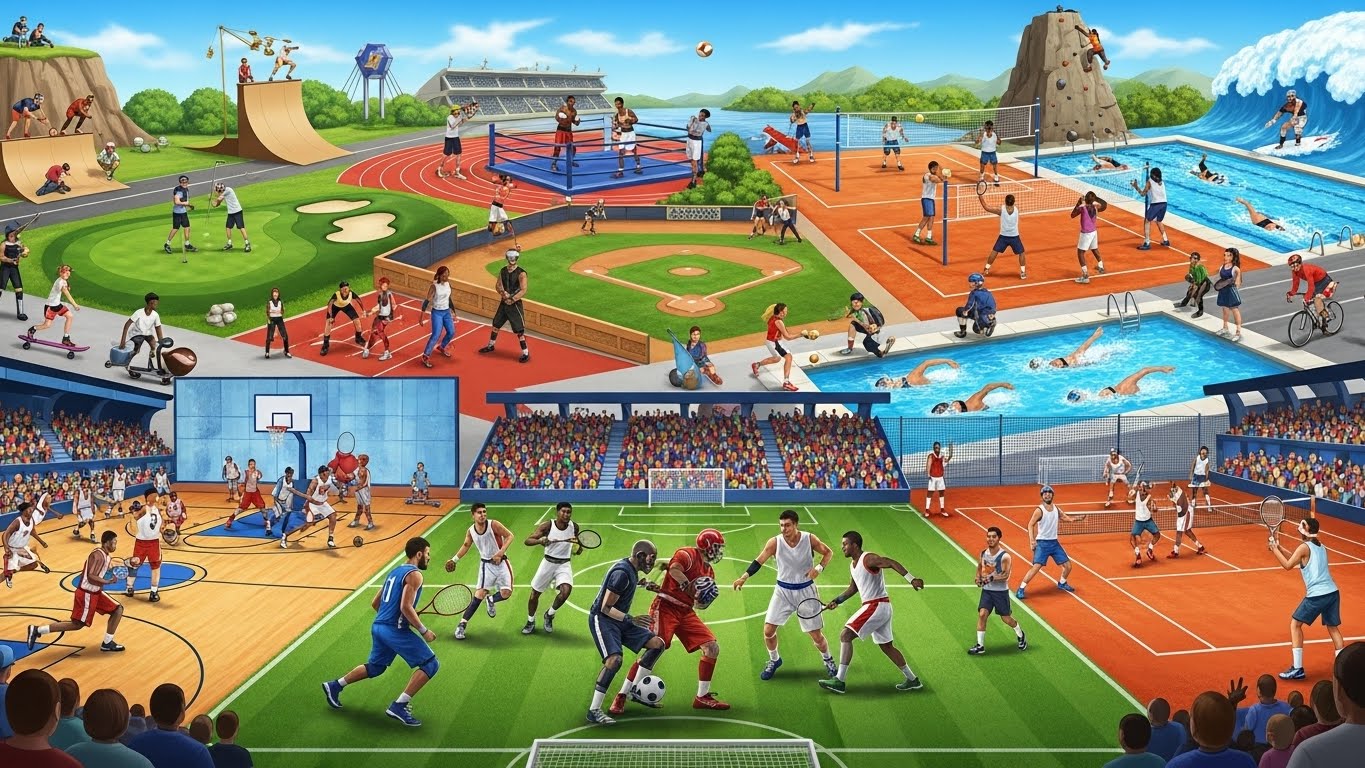
Sports have been a cornerstone of human society for centuries. From ancient competitions to modern professional leagues, sports serve as a platform for physical activity, entertainment, social interaction, and cultural expression. Beyond mere games, sports have the power to inspire, teach, and unite individuals across all walks of life. This blog explores the role of sports in personal development, society, culture, and the global stage.
The Origins and Evolution of Sports
Sports have ancient origins, tracing back to civilizations like Greece, China, and Egypt. The Olympic Games in Greece showcased athleticism and competition, celebrating human strength and skill. Ancient civilizations also developed games that reflected social structures, cultural values, and strategic thinking.
Over centuries, sports evolved into structured activities with codified rules, formal competitions, and organized leagues. The 19th and 20th centuries saw the emergence of modern sports like football, basketball, cricket, and tennis, alongside professional leagues and international tournaments. Today, sports range from traditional physical activities to digital esports, reflecting technological advancement and cultural diversity.
The Physical Benefits of Sports
One of the most obvious benefits of sports is physical fitness. Regular participation improves cardiovascular health, builds muscle strength, enhances flexibility, and maintains overall well-being. Activities like swimming, running, soccer, and basketball encourage active lifestyles, reducing the risk of chronic diseases and obesity.
Sports also teach the importance of routine, discipline, and self-care. Athletes learn to balance training, nutrition, and rest to achieve peak performance. Engaging in sports from a young age fosters lifelong fitness habits, contributing to long-term health and vitality.
The Mental and Emotional Benefits of Sports
Sports provide substantial mental and emotional advantages. Physical activity releases endorphins, which reduce stress, boost mood, and promote mental well-being. Athletes often report greater focus, improved memory, and enhanced cognitive abilities as a result of regular training.
Team sports in particular foster social interaction, communication, and collaboration. Athletes develop resilience, confidence, and problem-solving skills by facing challenges, setbacks, and competitive pressure. Sports provide an outlet for managing emotions, coping with stress, and channeling energy positively.
Sports as a Social Connector
Sports bring people together. They build communities, foster social bonds, and bridge cultural and social gaps. Local leagues, school competitions, and neighborhood games encourage teamwork, leadership, and camaraderie among participants.
On a larger scale, international events like the Olympics or the FIFA World Cup unite millions of fans worldwide. Spectators celebrate together, creating shared experiences that transcend national boundaries. Sports serve as a universal language, promoting unity, understanding, and social cohesion.
The Economic Impact of Sports
Sports have a significant influence on the global economy. Professional leagues, tournaments, and sporting events generate revenue through ticket sales, merchandise, broadcasting rights, and sponsorships.
The sports industry also creates employment opportunities in coaching, event management, facility maintenance, media production, and marketing. Major sporting events stimulate tourism, investment in infrastructure, and the growth of local businesses. The economic impact of sports extends beyond entertainment, contributing to national development and innovation.
Sports in Education
Sports are an essential component of education, complementing academic learning with life skills. School and college sports programs teach discipline, time management, teamwork, and resilience. Students learn to balance studies with physical activity, fostering a sense of responsibility and commitment.
Research also suggests that physical activity enhances cognitive function, concentration, and problem-solving skills. Students involved in sports often exhibit leadership qualities, strategic thinking, and collaboration skills that are valuable beyond the classroom. Sports in education nurture well-rounded individuals prepared for the challenges of life.
Cultural Significance of Sports
Sports hold immense cultural significance. They reflect societal values, traditions, and identity. Iconic athletes become symbols of excellence, determination, and inspiration. National and regional teams create a sense of pride and belonging among fans.
Sports influence art, fashion, and media. Memorable matches, historic victories, and athletic achievements are celebrated through literature, film, and music. Cultural rituals surrounding sports, including fan chants, mascots, and ceremonies, reinforce a shared sense of community and heritage.
Technological Advancements in Sports
Technology has transformed the way sports are played, analyzed, and enjoyed. Performance analytics, wearable devices, and biometric monitoring help athletes optimize training, prevent injuries, and improve results.
Broadcasting technology allows fans worldwide to follow games in real time through television, streaming services, and social media. Innovations such as instant replays, virtual reality, and augmented reality enhance fan engagement, creating immersive experiences that bring audiences closer to the action.
Sports equipment and facilities have also benefited from technology. Modern materials, safety gear, and eco-friendly stadiums improve performance, safety, and sustainability. Technology continues to elevate sports as both a professional and recreational pursuit.
The Role of Women in Sports
The participation of women in sports has grown significantly, promoting gender equality and challenging stereotypes. Female athletes now compete at elite levels, from national leagues to the Olympics, inspiring future generations.
Efforts to provide equal opportunities, recognition, and remuneration for women in sports are reshaping the industry. Women’s sports leagues are gaining popularity and media attention, further highlighting the importance of inclusivity and representation. The rise of women in sports contributes to societal change and empowers individuals worldwide.
Sports and Mental Resilience
Sports cultivate mental resilience by teaching athletes to handle failure, setbacks, and pressure. Athletes learn to persevere through challenges, adapt to changing conditions, and maintain focus during high-stakes situations.
This mental toughness translates to life skills beyond sports. Time management, goal setting, stress management, and teamwork are all enhanced through regular participation in sports. The ability to overcome obstacles in sports fosters confidence, determination, and problem-solving abilities applicable in personal and professional life.
Extreme and Adventure Sports
Extreme and adventure sports are gaining popularity for their thrill, risk, and physical challenge. Activities such as rock climbing, surfing, skydiving, and mountain biking attract individuals seeking adrenaline and personal achievement.
These sports require focus, skill, and preparation, emphasizing safety and resilience. Adventure sports also encourage outdoor exploration, environmental awareness, and personal growth. They demonstrate how sports extend beyond structured competitions to foster courage, creativity, and self-discovery.
Esports: A New Dimension of Sports
Esports, or competitive video gaming, represents a rapidly growing sector within sports. Professional gamers compete globally in tournaments watched by millions. Esports requires strategy, skill, teamwork, and quick decision-making, making it comparable to traditional sports in terms of competitiveness and audience engagement.
Esports has also created new career opportunities, including professional gaming, coaching, streaming, event management, and content creation. It has expanded the definition of sports to include digital and interactive experiences, bridging technology and athleticism.
The Future of Sports
The future of sports promises continued innovation, inclusivity, and global engagement. Emerging technologies such as virtual reality, artificial intelligence, and wearable sensors will enhance training, performance, and fan experiences.
Sports are becoming more accessible to individuals of all abilities through adaptive programs and inclusive initiatives. Sustainability is also a focus, with eco-friendly stadiums, renewable energy use, and responsible event management shaping the next generation of sports culture.
The integration of traditional sports with digital platforms and esports will redefine participation, viewership, and engagement, creating new opportunities for athletes, fans, and communities.
Conclusion: Sports as a Force for Growth
Sports are more than games—they are a catalyst for physical, mental, social, and cultural development. They inspire excellence, foster resilience, and create opportunities for connection across communities and nations. From improving health and education to promoting gender equality and economic growth, the impact of sports is far-reaching.
As technology advances and global participation increases, sports will continue to evolve, offering innovative ways to engage athletes and audiences alike. They remain a universal language, uniting people through passion, perseverance, and shared experiences.
Ultimately, sports reflect the enduring spirit of human potential. They teach lessons in discipline, teamwork, and perseverance while providing entertainment, inspiration, and joy. Sports are a testament to the power of play, shaping lives and communities across the world.