Sports have been an integral part of human civilization for centuries, transcending borders, cultures, and generations. From ancient athletic contests to modern professional leagues, sports have evolved into more than just a form of entertainment; they have become a cultural phenomenon, a driver of social change, and a means of personal and communal development. This blog post explores the significance of sports in society, the evolution of various disciplines, the impact on health and communities, challenges faced, and the future of athletics in a rapidly changing world.
The Essence of Sports
At its core, sports encompass physical activity governed by rules, often involving competition, skill, and strategy. While the primary aim may be winning or achieving personal bests, sports also foster discipline, teamwork, resilience, and mental focus. Whether it is a simple neighborhood game of football or an international Olympic event, sports encourage individuals to push their limits and strive for excellence.
Beyond the individual, sports serve as a social glue. They bring people together, create shared experiences, and promote unity across diverse groups. Spectatorship, fan culture, and community involvement further elevate sports from mere competition to a shared cultural experience that resonates across the globe.
Historical Evolution of Sports
The history of sports is deeply intertwined with human civilization. Ancient societies incorporated sports into cultural rituals, military training, and entertainment. The Greeks popularized athletic competitions such as the Olympic Games, which celebrated strength, skill, and honor. Similarly, Roman gladiatorial contests showcased the competitive spirit and served as public spectacle.
During the medieval period, sports evolved into organized competitions that reflected local traditions and social hierarchies. Activities like jousting, archery, and wrestling were prominent, highlighting skill, strategy, and physical prowess. The modern era witnessed the codification of sports rules, the formation of clubs, and the establishment of national and international competitions. Football, cricket, basketball, and track and field emerged as organized sports with standardized regulations, making them accessible and competitive worldwide.
Popular Types of Sports
Sports can be broadly categorized into several types, each offering unique physical and mental benefits:
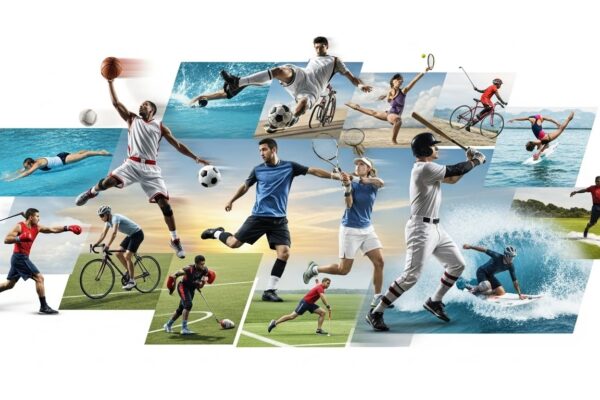
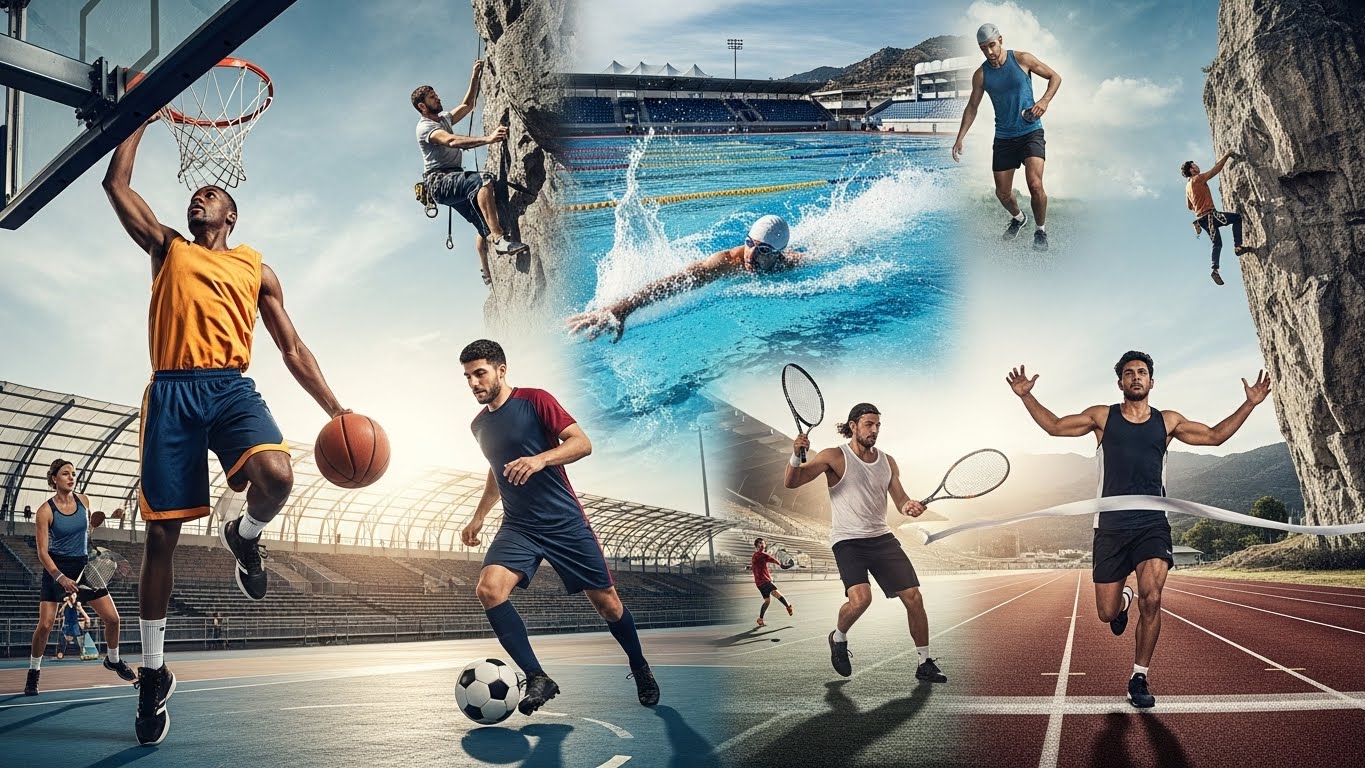
Team Sports: Football, basketball, cricket, and rugby are examples where coordination, communication, and strategy are essential. Team sports teach collaboration, leadership, and collective problem-solving.
Individual Sports: Athletics, swimming, tennis, and gymnastics emphasize personal skill, discipline, and self-motivation. Athletes in these sports develop mental resilience and a focus on personal growth.
Combat Sports: Boxing, judo, wrestling, and martial arts blend physical strength with strategy and precision. Combat sports build confidence, discipline, and mental toughness.
Endurance Sports: Marathon running, cycling, and triathlons test stamina, perseverance, and mental fortitude. Endurance sports push individuals to overcome physical and psychological limits.
Recreational and Adventure Sports: Hiking, rock climbing, skiing, and surfing combine fitness with exploration and thrill. These activities encourage connection with nature and promote overall well-being.
Physical and Mental Benefits of Sports
The benefits of sports extend far beyond winning trophies. Physically, engaging in regular sports activity improves cardiovascular health, strengthens muscles, enhances flexibility, and promotes weight management. Participation in sports reduces the risk of chronic illnesses such as obesity, diabetes, and heart disease.
Mentally, sports contribute to emotional well-being. Physical activity releases endorphins, which help reduce stress, anxiety, and depression. Sports also foster focus, discipline, and cognitive development. Team sports cultivate social skills, empathy, and conflict resolution abilities, while individual sports encourage self-awareness and resilience. The psychological impact of sports is particularly notable in youth development, helping young people build confidence, responsibility, and a sense of achievement.
Sports and Society
Sports play a critical role in shaping societies and communities. They are a powerful platform for promoting inclusivity, social cohesion, and cultural exchange. International events like the Olympic Games and FIFA World Cup bring nations together, fostering mutual respect and shared experiences. Local sports leagues and community programs engage residents, create social networks, and provide constructive outlets for energy and talent.
Sports also serve as a platform for social change and advocacy. Athletes often use their visibility to raise awareness about important issues such as equality, environmental sustainability, and mental health. Iconic figures have inspired generations not only through their performance but also through their leadership, philanthropy, and commitment to social causes.
Challenges in Modern Sports
Despite the many benefits, sports face several challenges in the modern era. One major issue is doping and unethical practices, where athletes may use performance-enhancing drugs to gain unfair advantages. These practices undermine integrity, jeopardize health, and tarnish the spirit of fair competition.
Another challenge is commercialization, which has transformed sports into a billion-dollar industry. While commercialization brings resources, media coverage, and professional opportunities, it can also create pressure on athletes, prioritize profit over welfare, and limit access to grassroots participation.
Injury and mental health concerns are increasingly recognized. Professional athletes face intense training schedules and competitive pressures that can lead to burnout, chronic injuries, and psychological stress. Addressing these issues requires improved support systems, medical care, and awareness programs.
Gender equality and inclusivity remain ongoing challenges. While women’s sports have gained recognition, disparities in pay, visibility, and opportunities persist. Efforts to create equitable access and recognition are essential for the holistic growth of sports.
Technology and Innovation in Sports
Technology is transforming how sports are played, viewed, and managed. Advanced analytics, wearable devices, and performance tracking tools allow athletes to optimize training and strategy. Video assistant referees, goal-line technology, and instant replay have improved fairness and accuracy in officiating.
Virtual reality and augmented reality are redefining fan engagement. Spectators can experience immersive gameplay, virtual stadium tours, and interactive analysis, enhancing the overall experience. Social media platforms have also created new ways for athletes and teams to connect with fans, share stories, and build global communities.
E-sports, or competitive gaming, represents a new frontier where technology and traditional sports intersect. While digital in nature, esports share many characteristics with traditional sports, including competition, strategy, teamwork, and professional recognition, further broadening the concept of sports in the 21st century.
The Future of Sports
The future of sports is likely to be shaped by inclusivity, innovation, and global collaboration. Adaptive sports for people with disabilities are gaining visibility, ensuring that sports remain accessible to all. Technology will continue to influence training, performance, and audience engagement, making sports more interactive and immersive.
Globalization and cross-cultural exchanges will further diversify sports participation and fan engagement. Collaborative initiatives, international tournaments, and digital platforms will enable athletes and fans to connect beyond geographical boundaries. Sustainability and environmental awareness will also play an increasingly important role, with sports organizations adopting eco-friendly practices and promoting responsible participation.
Conclusion
Sports are more than games; they are a reflection of human potential, creativity, and resilience. They foster personal growth, physical fitness, mental well-being, and social cohesion. From ancient athletic contests to modern global tournaments, sports continue to inspire, entertain, and unite people across cultures and generations.
While challenges such as commercialization, ethical issues, and inclusivity remain, the transformative power of sports cannot be overstated. As technology, education, and social awareness continue to evolve, sports will play an even greater role in shaping healthier, more connected, and more resilient communities.
In the end, sports remind us that competition is not just about winning; it is about pushing boundaries, fostering teamwork, celebrating achievement, and connecting humanity through shared passion and dedication. The story of sports is far from over, and its impact will continue to resonate for generations to come.