
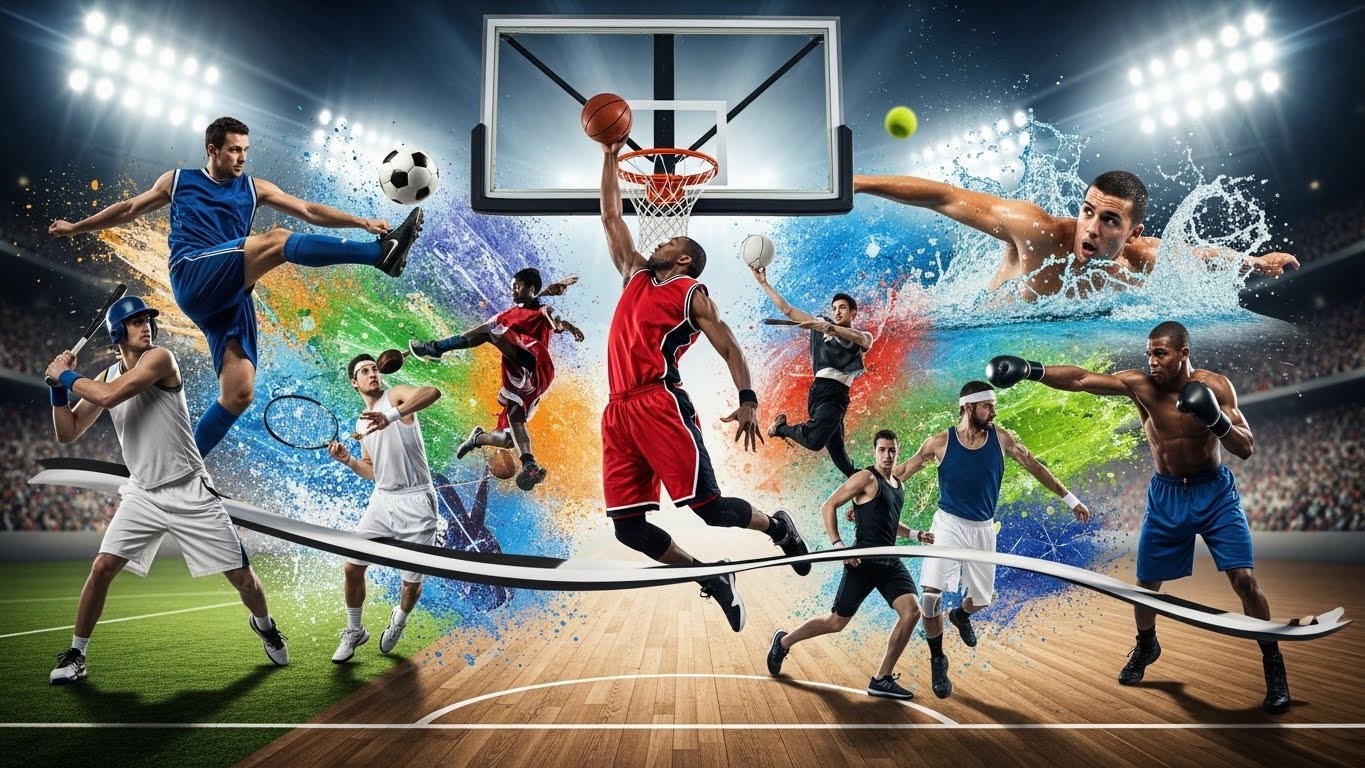
Introduction: More Than Just a Game
Sports have always been more than competitions played on fields, courts, or tracks. They are living stories of struggle, discipline, failure, and triumph. From dusty neighborhood grounds to grand international stadiums, sports connect people across age, language, and culture. They inspire emotions that few other human activities can match. Whether one is an athlete, a fan, or a casual observer, sports have a powerful way of influencing daily life and shaping society as a whole.
The Universal Language of Sports
One of the most remarkable qualities of sports is their universality. A ball, a goal, a finish line, or a bat can instantly communicate meaning without words. Across the world, children play games that resemble each other even if they have never met. Sports bridge cultural and social divides, creating shared moments of joy and disappointment. When a team wins, an entire community celebrates together. When they lose, the pain is collective, yet unifying.
Building Discipline and Mental Strength
At the heart of every successful athlete lies discipline. Sports teach the value of routine, commitment, and patience. Early morning training sessions, strict fitness plans, and continuous practice build habits that extend far beyond the game itself. Athletes learn that improvement does not come overnight. It is the result of consistent effort and the willingness to push through discomfort. This mental toughness often becomes a lifelong asset, helping individuals face challenges in education, careers, and personal relationships.
Sports as a Teacher of Failure and Resilience
Failure is unavoidable in sports. Even the greatest players lose matches, miss chances, and face criticism. What sets sports apart is how failure is treated as a lesson rather than an endpoint. Athletes are encouraged to analyze mistakes, learn from them, and return stronger. This mindset fosters resilience. In a world where fear of failure often holds people back, sports remind us that setbacks are part of growth and that perseverance is the true measure of success.
Physical Health and Lifelong Fitness
In an era dominated by screens and sedentary lifestyles, sports play a vital role in promoting physical health. Regular participation improves strength, endurance, flexibility, and coordination. Beyond physical benefits, sports also support mental well-being by reducing stress and anxiety. Team sports encourage social interaction, while individual sports provide moments of self-reflection. Together, they contribute to a balanced and healthy lifestyle that can be sustained throughout life.
The Power of Teamwork and Leadership
Team sports, in particular, offer invaluable lessons in cooperation and leadership. Players must learn to trust each other, communicate effectively, and work toward a common goal. Individual talent matters, but unity often determines success. Leaders emerge naturally, not just through authority but through example, encouragement, and accountability. These lessons translate seamlessly into professional environments, where collaboration and leadership are essential for progress.
Sports and Youth Development
For young people, sports can be a transformative force. They provide structure, purpose, and positive role models. Participation in sports helps children develop confidence, self-esteem, and social skills. It also teaches respect for rules, opponents, and officials. In many communities, sports serve as a safe space where young individuals can channel energy productively and stay away from negative influences. The impact of these experiences often lasts a lifetime.
The Cultural Influence of Sports
Sports deeply influence culture and identity. National teams often symbolize pride and unity, especially during international tournaments. Traditional sports preserve heritage, while modern leagues reflect changing social values. Fashion, language, and even music are shaped by sports icons and moments. Legendary matches and iconic performances become part of collective memory, passed down through generations as stories of inspiration and pride.
Sportsmanship and Ethical Values
True sportsmanship goes beyond winning. It is about fairness, respect, and integrity. Shaking hands after a match, acknowledging a worthy opponent, and accepting decisions gracefully reflect the ethical foundation of sports. These values are essential in a competitive world where pressure can sometimes overshadow principles. Sports remind us that how we play matters as much as the final result.
The Role of Fans and Community
Fans are the heartbeat of sports. Their passion fuels players and brings color to competitions. Stadium chants, team colors, and shared rituals create a sense of belonging. Sports communities often extend beyond the game, engaging in charity work, social causes, and local development. This connection between sports and community highlights the social responsibility that comes with popularity and influence.
Technology and the Evolution of Sports
Modern sports have evolved significantly with the introduction of technology. Training methods have become more scientific, focusing on performance analysis and injury prevention. Officiating has improved with advanced tools, enhancing fairness and accuracy. While technology has changed how sports are played and watched, the core emotions remain the same. The excitement of a close contest and the joy of victory are timeless.
Individual Sports and Personal Mastery
Individual sports such as athletics, tennis, or martial arts offer a different yet equally powerful experience. Athletes compete primarily against themselves, striving for personal improvement. These sports emphasize self-discipline, focus, and accountability. Success depends on inner motivation and mental clarity. For many, individual sports become a path to self-discovery and personal mastery.
Sports as a Career and Dream
For countless individuals, sports represent hope and opportunity. Professional athletes often come from humble backgrounds, using talent and hard work to change their lives. While not everyone reaches the highest level, the pursuit itself builds character and ambition. Sports-related careers also extend beyond playing, including coaching, training, management, and media. Together, they form a vast ecosystem driven by passion and dedication.
Challenges and Responsibilities in Modern Sports
Despite their positive impact, sports also face challenges. Issues such as commercialization, pressure on young athletes, and ethical concerns require thoughtful solutions. Maintaining balance between competition and well-being is essential. Sports organizations, athletes, and fans share responsibility in preserving the true spirit of sports, ensuring that values are not lost in the pursuit of profit or fame.
The Emotional Connection to Sports
Few experiences can match the emotional intensity of sports. A last-minute goal, a record-breaking performance, or a dramatic comeback can bring tears, joy, and pride. These moments create lasting memories that people cherish for years. Sports allow individuals to feel deeply connected to something larger than themselves, offering a sense of meaning and excitement in everyday life.
Conclusion: The Lasting Impact of Sports
Sports are a reflection of humanity at its best and most vulnerable. They showcase strength, creativity, determination, and unity. Beyond trophies and records, sports shape character, strengthen communities, and inspire generations. In a rapidly changing world, sports remain a constant source of motivation and connection. They remind us that effort matters, teamwork is powerful, and the human spirit is capable of extraordinary achievements when driven by passion and purpose.