Introduction: The Universal Language of Sports
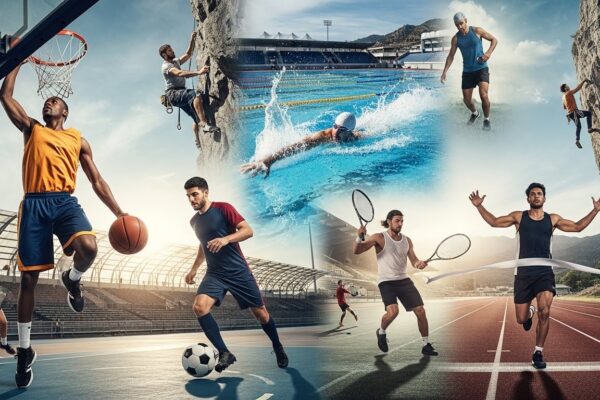
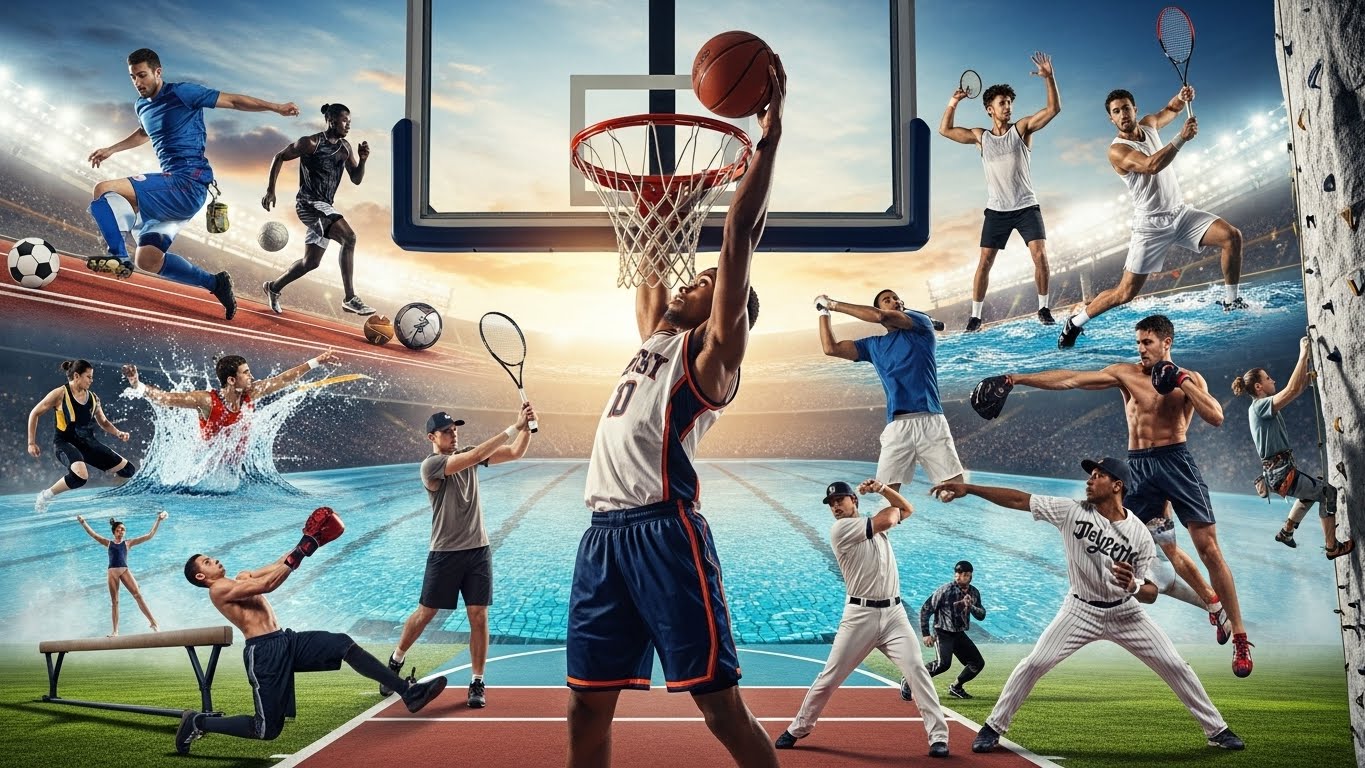
Sports have been an integral part of human culture for centuries, transcending borders, languages, and generations. From the ancient Olympic Games to modern-day professional leagues, sports captivate millions worldwide, bringing people together in ways that few other activities can. Beyond entertainment, sports have the power to teach discipline, foster teamwork, and inspire personal growth. They are not just games; they are life lessons in motion, arenas where resilience, courage, and ambition are tested and celebrated.
The Physical Benefits of Sports
Engaging in sports offers undeniable physical benefits. Regular participation improves cardiovascular health, strengthens muscles, enhances flexibility, and boosts endurance. Sports like swimming and running provide full-body workouts, while team-based activities like soccer or basketball improve coordination and agility. Beyond the obvious physical advantages, sports also promote better posture, improve metabolism, and reduce the risk of chronic diseases. Incorporating sports into daily routines encourages a healthier lifestyle, reducing stress and enhancing overall well-being. Children who engage in sports tend to develop better motor skills and maintain a healthier weight, while adults can enjoy longer, more active lives.
Mental Health and Sports
The connection between sports and mental health is profound. Physical activity stimulates the release of endorphins, the body’s natural mood enhancers, which help reduce stress and anxiety. Participation in sports also fosters mental resilience, as athletes learn to handle pressure, setbacks, and failure with composure. Team sports, in particular, cultivate communication skills, empathy, and problem-solving abilities. Individuals who regularly engage in sports report higher self-esteem and greater satisfaction with life. The discipline and focus required in sports translate to other areas, teaching valuable coping mechanisms for daily challenges. Competitive sports further strengthen mental toughness by encouraging goal-setting, strategic thinking, and the pursuit of excellence.
Building Character Through Sports
Sports are a powerful tool for character development. They teach crucial life lessons that extend far beyond the playing field. Commitment and perseverance are instilled when athletes dedicate themselves to training and improving their skills. Sportsmanship encourages respect for opponents, fairness, and humility in victory or defeat. Athletes learn to take responsibility for their actions, manage emotions, and develop leadership qualities. These traits are essential in personal and professional life, making sports a training ground for success both on and off the field. Coaches and mentors play a significant role in shaping young athletes’ character, emphasizing values that last a lifetime.
The Social Impact of Sports
Sports play a significant role in bringing communities together. Local games, school tournaments, and national competitions foster a sense of belonging and collective pride. Fans unite behind their favorite teams, creating a shared identity that transcends differences in culture, religion, or socioeconomic status. Sports also serve as a platform for social change, raising awareness about important issues and promoting inclusivity. Programs that encourage participation in sports among underprivileged communities help break cycles of poverty, provide mentorship opportunities, and build confidence in young people. Major sporting events often become celebrations of culture and unity, showcasing how sports can bridge divides and inspire collaboration.
Youth Development and Sports
Introducing sports to children at an early age has far-reaching benefits. Young athletes develop essential motor skills, discipline, and the ability to work in teams. They also learn time management, goal setting, and how to handle both success and failure. Participation in sports encourages academic motivation, as studies have shown that students engaged in physical activity often perform better academically. Youth programs that combine athletic training with education foster holistic development, ensuring that children grow physically, mentally, and socially. Early exposure to sports also nurtures a lifelong passion for physical activity, promoting healthier lifestyles well into adulthood.
Women in Sports: Breaking Barriers
The rise of women in sports has reshaped perceptions and challenged long-standing stereotypes. Female athletes have achieved remarkable success in various disciplines, from soccer to gymnastics, inspiring new generations to pursue their dreams. Despite historical inequalities, women’s sports continue to gain recognition, with increased opportunities, sponsorships, and media coverage. Female participation not only empowers women but also highlights the importance of inclusivity and equal opportunities in sports. Women’s achievements on the field demonstrate that skill, dedication, and determination are not bound by gender, paving the way for a more equitable sporting world.
Sports Technology: Transforming the Game
Advancements in technology have revolutionized the way sports are played, trained for, and experienced. Wearable devices track performance, monitor health, and optimize training routines. Video analysis helps athletes refine techniques, correct errors, and strategize more effectively. Virtual reality and simulation tools provide immersive training experiences, allowing athletes to practice under controlled conditions that mimic real-game scenarios. Technology also enhances the fan experience, with instant replays, interactive platforms, and advanced analytics creating deeper engagement. While traditional aspects of sports remain cherished, technology ensures that the future of sports is smarter, safer, and more dynamic.
The Economic Significance of Sports
Sports have a substantial impact on the global economy. Professional leagues generate billions in revenue, creating jobs in coaching, management, marketing, and event planning. Major sporting events stimulate tourism, boost local businesses, and encourage infrastructure development. Sponsorships, endorsements, and broadcasting rights further contribute to the economic ecosystem. Beyond professional sports, recreational and community-based activities also drive economic growth, promoting health, wellness, and social interaction. Sports represent not just passion and entertainment but also a significant economic force that affects livelihoods and regional development.
Global Sports Icons and Their Influence
Athletes often transcend the role of competitors to become cultural icons. Legends like Serena Williams, Lionel Messi, and Michael Jordan have inspired millions through their skill, determination, and resilience. Their stories serve as motivational blueprints, demonstrating that dedication and hard work can overcome obstacles. Sports icons often use their influence to champion social causes, encourage education, and promote health initiatives, further extending their impact beyond the field. The admiration they inspire underscores the universal appeal of sports as a medium to shape character, influence culture, and motivate societal progress.
The Future of Sports
The future of sports promises continued evolution and innovation. Emerging trends include greater emphasis on sustainability, mental health, and inclusivity. Adaptive sports for differently-abled athletes are gaining recognition, highlighting the transformative power of participation for all. E-sports and digital competitions are redefining what it means to be an athlete, blending traditional sportsmanship with virtual skill and strategy. The integration of artificial intelligence, biomechanics, and advanced analytics will further elevate training, performance, and fan engagement. As society evolves, sports will remain a cornerstone of human connection, a celebration of excellence, and a powerful platform for inspiring positive change.
Conclusion: Sports as a Way of Life
Sports are far more than entertainment—they are a reflection of human ambition, resilience, and community. They teach discipline, foster mental and physical health, build character, and unite people across the globe. From the exhilaration of victory to the lessons of defeat, sports mirror the challenges and triumphs of life itself. Engaging in sports, whether professionally or recreationally, enriches individuals and society alike. They encourage us to push boundaries, embrace teamwork, and strive for personal and collective growth. In every match, race, or game, sports continue to inspire greatness, making them an essential and enduring part of the human experience.