
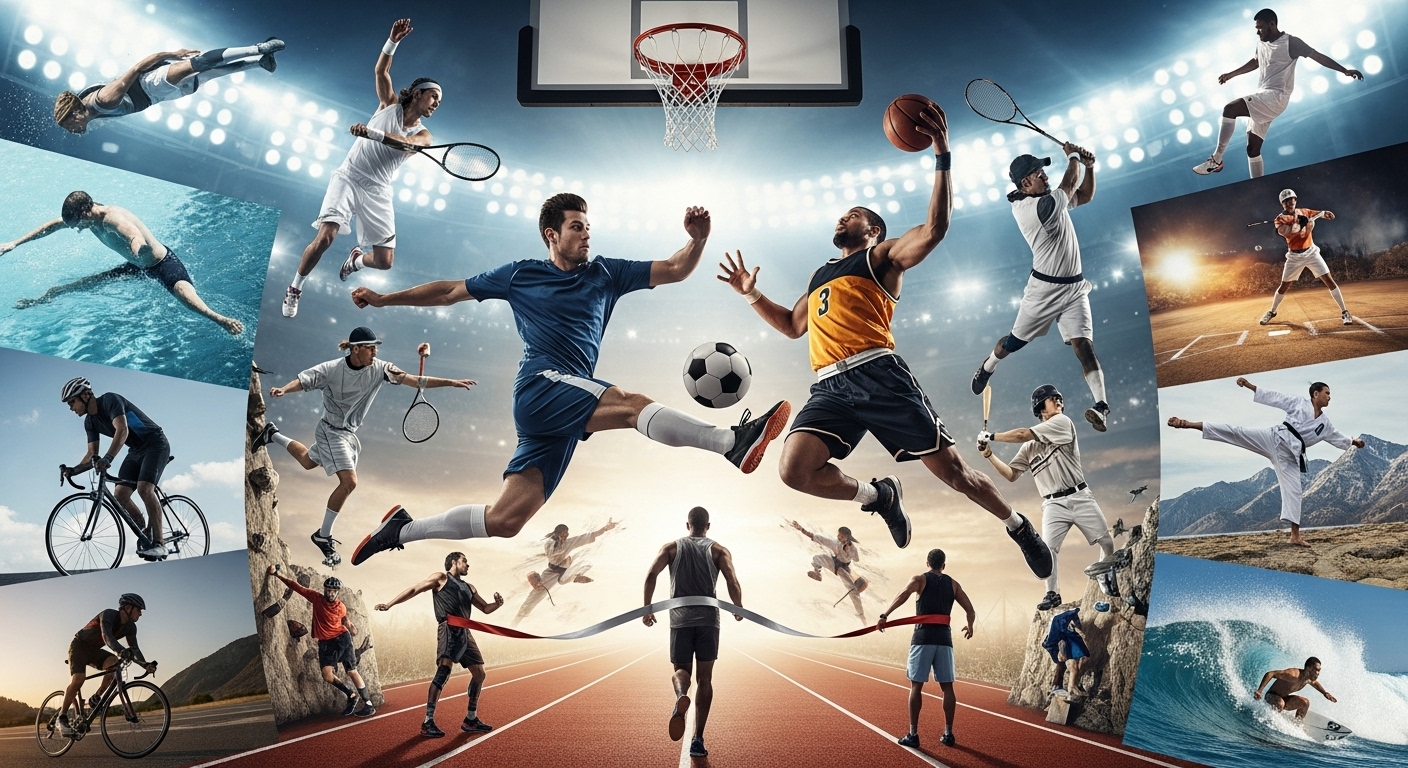
Sports have been an integral part of human civilization for centuries. From ancient games played in the arenas of Greece to modern global spectacles like the Olympics and the FIFA World Cup, sports have always captured the imagination of people worldwide. While the forms, rules, and tools of sports have evolved over time, the underlying principles remain the same: physical exertion, skill, strategy, and above all, passion.
The Evolution of Sports
The history of sports dates back thousands of years. Ancient civilizations often engaged in physical contests not just for entertainment but also for survival. Early forms of sports were closely tied to hunting, military training, and religious rituals. For instance, wrestling, running, and archery were common in ancient societies as they helped people develop essential physical skills.
As societies progressed, sports began to take on a more organized form. The Greeks introduced structured competitions like the Olympic Games in 776 BCE, which celebrated physical prowess and honored the gods. The Romans added their own flavor, emphasizing spectacle with chariot races, gladiatorial combat, and team competitions. Sports became a reflection of societal values, showcasing bravery, strength, and teamwork.
In modern times, sports have transitioned from a local or regional activity to a global phenomenon. With advancements in technology and media, even the smallest sporting events can reach millions of viewers worldwide. Today, sports are not just about physical activity—they represent culture, identity, and community.
The Physical and Mental Benefits of Sports
One of the most obvious benefits of sports is physical fitness. Engaging in regular sports activities improves cardiovascular health, strengthens muscles and bones, enhances flexibility, and maintains a healthy body weight. For children and teenagers, sports promote healthy growth and development. For adults, they provide a way to stay active, reduce the risk of chronic diseases, and maintain overall vitality.
Beyond physical health, sports significantly impact mental well-being. Participating in sports has been shown to reduce stress, anxiety, and depression. The release of endorphins during physical activity creates feelings of happiness and relaxation. Team sports, in particular, foster social interaction, cooperation, and a sense of belonging. Athletes learn discipline, time management, and resilience, which are valuable skills both on and off the field.
Sports also enhance cognitive abilities. Activities that require strategy, quick decision-making, and coordination stimulate the brain, improving concentration, memory, and problem-solving skills. Chess, fencing, basketball, and soccer are just a few examples where mental sharpness is as important as physical skill.
Popular Sports Around the World
The diversity of sports reflects cultural differences, climates, and historical preferences. Some sports have universal appeal, while others are deeply rooted in local traditions.
Football (Soccer) is undoubtedly the world’s most popular sport. Played by millions globally, it requires minimal equipment and can be enjoyed in almost any setting. The FIFA World Cup, held every four years, unites fans from every corner of the globe, transcending language and cultural barriers.
Basketball, originating in the United States, has become a global phenomenon. Its fast-paced nature, emphasis on teamwork, and spectacular displays of athleticism have captured the hearts of millions. Leagues like the NBA have created international icons and inspired young athletes worldwide.
Cricket, particularly popular in countries like India, England, Australia, and Pakistan, is not just a sport but a cultural institution. Test matches, One Day Internationals, and T20 games offer a mix of tradition, strategy, and entertainment. Cricket has the unique ability to unite entire nations, especially during major tournaments.
Tennis is known for its elegance, precision, and mental toughness. Grand Slam tournaments like Wimbledon, the US Open, and the French Open showcase individual brilliance and the intense pressure athletes face. Tennis combines agility, strength, and strategy, making it a captivating sport to watch and play.
Other popular sports include athletics, swimming, volleyball, rugby, hockey, and martial arts. Each sport has its own charm, demands, and fan following, proving that sports cater to diverse tastes and preferences.
The Role of Sports in Society
Sports serve a purpose far beyond recreation. They are a social glue, bringing together people from different backgrounds, ethnicities, and classes. Sporting events often act as communal celebrations, creating shared experiences that foster unity and pride. For instance, national teams competing in international tournaments inspire patriotism and collective joy.
Sports also play a critical role in education. Schools and colleges around the world incorporate sports into their curriculum, recognizing its importance in holistic development. Athletes learn not just about physical skills but also about leadership, perseverance, and ethical conduct. Many countries offer scholarships and support for young athletes, encouraging them to pursue excellence both academically and athletically.
Moreover, sports can be a platform for social change. Prominent athletes often use their fame to raise awareness about social issues, promote equality, and challenge injustices. Initiatives like “sport for development” programs leverage athletic activities to empower underprivileged communities, improve health, and encourage teamwork.
The Economics of Sports
The business of sports is a massive industry. From ticket sales to sponsorships, broadcasting rights, and merchandise, sports generate billions of dollars annually. Professional leagues and international tournaments attract significant investments, creating employment opportunities for athletes, coaches, administrators, and media professionals.
Sponsorship deals are particularly influential. Brands associate themselves with successful athletes and popular teams to enhance visibility and credibility. Social media platforms further amplify the reach of sports, allowing fans to engage directly with players and teams. This commercialization of sports, while sometimes criticized, has significantly expanded its global footprint.
Women in Sports
Historically, sports were male-dominated, with women often denied participation or recognition. However, the past few decades have seen tremendous progress. Female athletes now compete at the highest levels across virtually all sports, from football and cricket to athletics and gymnastics. Icons like Serena Williams, Megan Rapinoe, and Simone Biles have shattered stereotypes and inspired millions of young girls to pursue sports.
Women’s leagues, tournaments, and initiatives have also gained recognition, highlighting talent and promoting gender equality. Despite progress, challenges remain, including pay disparities, unequal media coverage, and social biases. Nonetheless, the momentum toward inclusivity and empowerment continues to grow.
Technology and Sports
Technology has revolutionized sports in numerous ways. Advanced training equipment, wearable devices, and analytics tools help athletes optimize performance and prevent injuries. Video analysis allows coaches to evaluate strategies and techniques with precision.
In professional competitions, technology ensures fairness and accuracy. Systems like VAR in football, Hawk-Eye in tennis, and goal-line technology prevent human error and maintain the integrity of results. Even fans benefit from technology through live streaming, instant replays, and interactive platforms that enhance engagement.
Virtual and augmented reality are beginning to create new experiences in sports. From virtual training sessions to immersive fan experiences, technology is transforming how sports are played, viewed, and experienced.
The Spirit of Competition
At its core, sports are about competition. The desire to win, to test one’s limits, and to overcome challenges drives athletes to excel. But competition in sports goes beyond the scoreboard—it teaches respect, humility, and sportsmanship.
True sportsmanship involves acknowledging opponents, playing fair, and handling both victory and defeat gracefully. Legendary moments in sports history are often remembered not just for athletic feats but for the character and spirit demonstrated by participants.
Competition also fuels innovation. Coaches, athletes, and teams continuously develop new strategies, techniques, and training methods to gain an edge. This constant pursuit of improvement embodies the essence of sports.
Inspiring Stories from the World of Sports
Sports are filled with stories of resilience, courage, and determination. Consider the athlete who overcomes injury to make a triumphant return, or the underdog team that defies all odds to win a championship. These narratives inspire millions and demonstrate the power of perseverance and belief.
One famous example is the story of Jesse Owens, who, despite racial discrimination, won four gold medals at the 1936 Berlin Olympics, challenging prejudices and inspiring generations. Similarly, stories of athletes overcoming personal struggles, societal barriers, or financial hardship highlight the transformative power of sports.
Sports as a Way of Life
For many, sports are not just an activity—they are a lifestyle. Fans follow every match, analyze statistics, and passionately support their favorite teams and players. Participation in sports fosters habits of discipline, goal-setting, and self-improvement.
Recreational sports, whether jogging, cycling, or yoga, promote balance and well-being in daily life. Community leagues and amateur competitions provide social interaction, entertainment, and motivation to stay active. Sports, in essence, integrate the body, mind, and spirit.
Challenges Facing Sports
Despite its many benefits, sports face several challenges. Doping and unethical practices threaten fairness and integrity. Commercial pressures can prioritize profit over athletes’ health and development. Gender inequality, limited access to facilities, and lack of grassroots support restrict opportunities for many aspiring athletes.
Addressing these issues requires collaboration among governments, sports organizations, communities, and athletes themselves. Policies that promote inclusivity, fairness, and ethical conduct are essential to sustain the positive impact of sports.
The Future of Sports
The future of sports promises innovation, diversity, and greater global connectivity. E-sports, for example, has emerged as a competitive arena, attracting millions of players and spectators worldwide. Hybrid events combining physical and digital sports experiences are likely to become more common.
Sustainability will also shape the future of sports. Eco-friendly stadiums, green events, and responsible management of resources are gaining importance as environmental awareness grows. Sports will continue to inspire, educate, and unite people while evolving to meet the needs of a changing world.
Conclusion
Sports are more than games—they are a reflection of human spirit, creativity, and community. They teach lessons of resilience, teamwork, and discipline while promoting health, joy, and unity. From ancient times to modern global arenas, sports have played an essential role in shaping societies and cultures.
Whether as a participant, spectator, or fan, engaging with sports enriches life, offering experiences that transcend age, gender, and nationality. As the world continues to change, sports will remain a universal language, celebrating human potential and connecting people across borders.
In the end, sports remind us that no matter how diverse our backgrounds or beliefs, the thrill of competition, the joy of achievement, and the spirit of camaraderie are experiences we all share.