
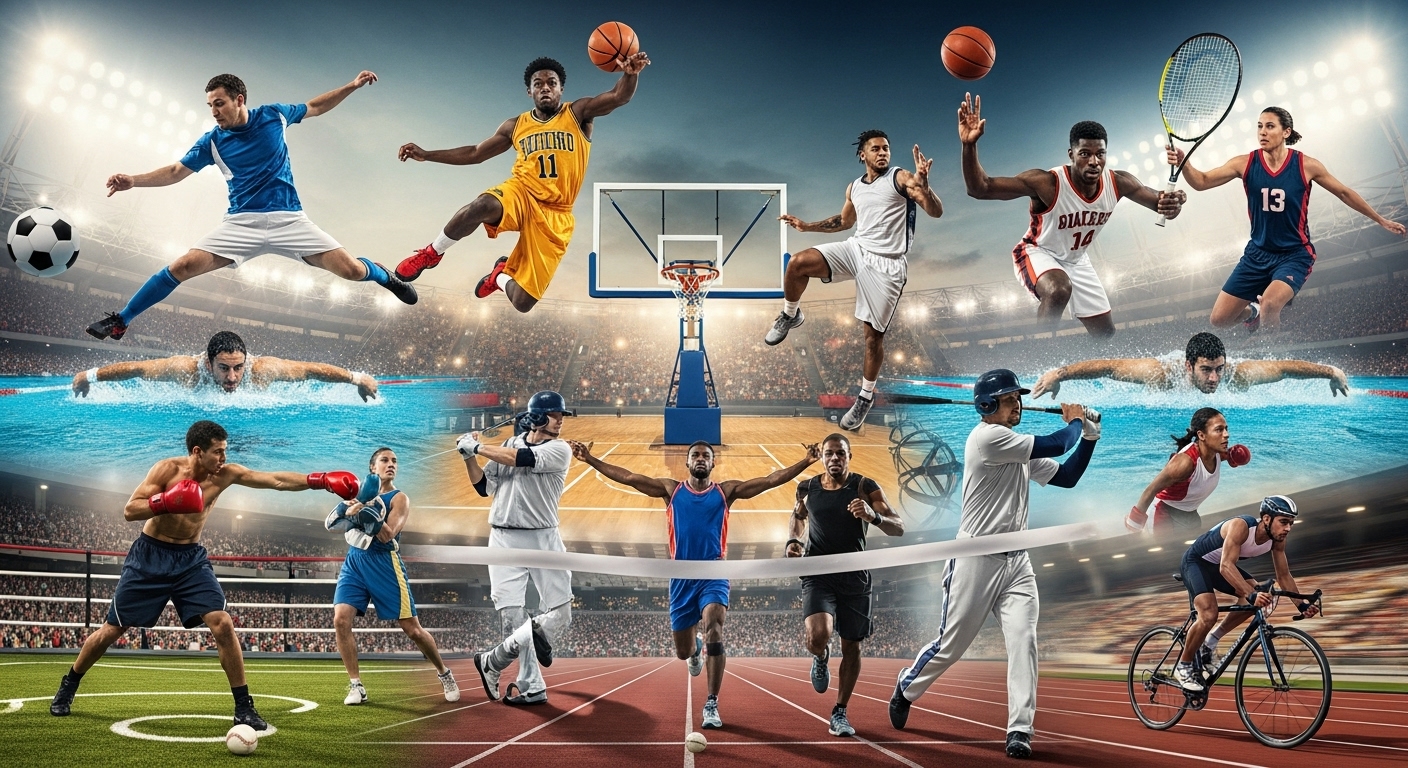
Sports have always been an intrinsic part of human culture, evolving from simple pastimes to a global phenomenon that impacts millions of lives daily. They are much more than just games, competitions, or entertainment; they serve as a powerful medium for social interaction, personal growth, and even global unity. From the ancient civilizations of Greece and Rome to the digital sports leagues of today, sports have served a significant role in shaping societies, fostering community, and even influencing major cultural movements. In this blog post, we’ll delve into the multifaceted world of sports, examining their historical evolution, societal impact, benefits, challenges, and future potential.
The Origins of Sports: A Historical Overview
The roots of sports can be traced back to ancient times, long before they became the formalized activities we recognize today. Ancient civilizations viewed physical contests not just as entertainment, but as rites of passage, displays of strength and skill, and even ways to honor gods or gain favor in battle. The first recorded instances of organized sports date back to around 3,000 years ago in ancient Egypt, where activities like running and archery were part of military training, and in ancient China, where the beginnings of martial arts can be traced.
One of the most significant milestones in the development of sports was the establishment of the Olympic Games in ancient Greece. The first Olympic Games took place in 776 BC and were held to honor the Greek god Zeus. The Games quickly grew in importance, with athletes competing in various events such as foot races, discus throwing, and wrestling. The Greeks believed that physical fitness and athletic competition were crucial for a balanced life, and they revered athletes as heroes. This cultural respect for athletic achievement continued to influence future generations, shaping the Olympic movement that exists today.
The Roman Empire also played a significant role in the development of organized sports. Gladiatorial games, held in grand amphitheaters like the Colosseum, were a prominent feature of Roman entertainment. While these events were violent and often brutal, they highlighted the Roman appreciation for strength, endurance, and the spectacle of human combat. Though these contests were not sports in the modern sense, they laid the groundwork for the importance of physical contests in public life.
As civilizations progressed, so too did the structure of sports. During the medieval period, tournaments and jousts became popular in Europe, particularly as a way for knights to demonstrate their combat skills. However, it wasn’t until the 19th century that modern sports as we know them today began to take shape, thanks in part to the Industrial Revolution. With the advent of organized schooling and leisure time, sports became formalized into competitive activities, and the structure of modern sports leagues started to emerge.
The Evolution of Modern Sports
The late 19th and early 20th centuries were a pivotal time for the evolution of modern sports. One of the most notable developments during this time was the creation of standardized rules for various sports. In 1863, the Football Association (FA) was formed in England, and standardized rules for association football (soccer) were established, leading to the global proliferation of the sport. In the United States, American football, baseball, and basketball became increasingly organized, leading to the formation of leagues such as Major League Baseball (MLB) and the National Basketball Association (NBA).
The creation of formal leagues and tournaments helped solidify sports as an entertainment industry. These leagues provided a platform for athletes to pursue their careers professionally, and as the sports grew in popularity, they attracted fans from all walks of life. Television broadcasts further fueled this growth, turning sports events into global spectacles that attracted millions of viewers from around the world.
One of the major events in the history of sports was the establishment of the modern Olympic Games in 1896, inspired by the ancient Greek Games. The Olympic Games grew into the world’s most prestigious multi-sport event, uniting countries from every corner of the globe in friendly competition. The Games became a platform for athletes to showcase their talents on an international stage, and many sports were popularized through the Olympic spotlight, including swimming, athletics, and gymnastics.
Today, sports are a multi-billion-dollar industry, encompassing not just traditional competitions like soccer and basketball but also newer forms of entertainment such as eSports. The rise of digital platforms and streaming services has led to the global expansion of sports, allowing people from different countries and cultures to engage with events that were once geographically limited.
Sports as a Social and Cultural Force
Beyond their entertainment value, sports have long had a profound impact on society. One of the most important roles that sports play is in fostering social connections. Whether through watching games with friends and family or participating in local leagues, sports create a sense of community and bring people together. The shared experience of cheering for a team, celebrating a victory, or mourning a loss can help forge deep, lasting relationships.
In many parts of the world, sports act as a focal point for local and national identity. The passion and pride people feel for their teams or athletes can unite entire communities, transcending social, economic, and cultural differences. For example, soccer in Brazil is not just a game; it’s a deeply embedded part of the country’s culture, symbolizing national pride, unity, and social cohesion. Similarly, in countries like the United States and Argentina, sports like American football and basketball hold significant cultural weight, providing a sense of belonging for fans who identify with their teams.
Sports can also be a powerful tool for social change. Throughout history, athletes have used their platforms to protest injustice, challenge stereotypes, and bring attention to important issues. One of the most iconic moments in sports history occurred during the 1968 Summer Olympics in Mexico City when American sprinters Tommie Smith and John Carlos raised their fists in the Black Power salute during their medal ceremony to protest racial inequality in the United States. This moment became a symbol of resistance and solidarity for the civil rights movement.
More recently, athletes like Colin Kaepernick have used their platform to protest police brutality and racial injustice. Kaepernick’s decision to kneel during the national anthem in 2016 sparked a global conversation about race, freedom of speech, and the role of athletes in political activism. His protest was controversial, but it sparked widespread discussion on the intersection of sports and politics, further illustrating how sports can challenge societal norms and provoke important conversations.
The Health and Psychological Benefits of Sports
The physical benefits of participating in sports are well-known. Engaging in regular physical activity helps improve cardiovascular health, build muscle strength, and maintain a healthy weight. It also boosts the immune system and improves flexibility and coordination. Additionally, sports participation can help prevent a range of chronic diseases, such as obesity, diabetes, and heart disease.
However, the psychological benefits of sports are equally important. Regular physical activity has been shown to reduce stress, anxiety, and depression by releasing endorphins, the body’s natural “feel-good” chemicals. Participating in sports can also improve self-esteem and confidence, as athletes experience a sense of accomplishment through their performance, whether it’s winning a game, completing a race, or mastering a new skill.
Sports also promote the development of life skills such as discipline, teamwork, and leadership. Team sports, in particular, teach individuals how to work collaboratively with others, communicate effectively, and support teammates through challenges. These skills are transferable to other aspects of life, including careers, education, and personal relationships.
For many people, sports provide a sense of routine and structure. Athletes often follow strict training schedules, eat balanced diets, and prioritize sleep and recovery. These habits foster self-discipline and a healthy lifestyle, which can extend beyond the playing field and improve overall well-being.
The Challenges of Modern Sports
While sports have numerous benefits, they also come with their own set of challenges. One of the biggest issues facing modern sports is the pressure to perform at the highest level. With the commercialization of sports, athletes are under immense pressure to succeed, leading to burnout, stress, and sometimes even physical or mental health issues. The constant pursuit of perfection can also lead to performance-enhancing drug use, as athletes look for ways to gain a competitive edge.
The increasing commercialization of sports has also led to a growing divide between rich and poor teams and countries. Top-tier sports leagues like the English Premier League and Major League Baseball are often dominated by wealthy teams, which can afford to buy the best talent, build state-of-the-art facilities, and secure lucrative sponsorship deals. This financial inequality can create an uneven playing field, where smaller clubs or developing nations struggle to compete on the global stage.
Another issue is the lack of gender equality in many sports. While significant progress has been made in recent years, female athletes still face unequal pay, fewer sponsorship opportunities, and less media coverage compared to their male counterparts. The gender disparity in sports remains a major issue that needs to be addressed to ensure that all athletes, regardless of gender, have an equal opportunity to succeed.
The Future of Sports: Innovation and Inclusivity
As we look toward the future of sports, several key trends are shaping the landscape. One of the most significant developments is the integration of technology into sports. From data analytics and wearable devices to virtual reality and esports, technology is transforming the way athletes train, compete, and interact with fans.
In particular, sports science and data analytics are revolutionizing the way athletes prepare for competition. Wearable devices like fitness trackers and smartwatches can measure everything from heart rate to sleep patterns, providing athletes with real-time insights into their performance. These advancements allow athletes to fine-tune their training, prevent injuries, and optimize their physical and mental health.
Virtual reality is also opening up new possibilities for both athletes and fans. In training, VR can simulate game scenarios, helping athletes improve their skills and reaction times in a controlled environment. For fans, VR provides an immersive way to experience live events, offering the sensation of being at the stadium even when watching from home.
Esports, the competitive video gaming industry, is another growing trend that shows no signs of slowing down. What started as a niche hobby has now become a multi-billion-dollar industry, with professional esports leagues and tournaments attracting millions of viewers worldwide. Esports is also providing new opportunities for athletes who may not have the physical attributes required for traditional sports but excel in strategic thinking and reflexes.
The future of sports is also likely to be more inclusive, with efforts being made to make sports accessible to people of all abilities, genders, and backgrounds. Adaptive sports for individuals with disabilities are gaining popularity, and organizations are focusing on increasing diversity and representation in sports.
Conclusion: The Enduring Impact of Sports
Sports have a unique ability to transcend boundaries, bringing people together from different cultures, backgrounds, and experiences. Whether it’s through the joy of competition, the pursuit of personal growth, or the unifying power of shared passions, sports continue to shape our lives in profound ways. As the world evolves, so too will the landscape of sports, but their fundamental role in fostering community, promoting health, and challenging societal norms will remain unchanged. Whether you’re an athlete, a fan, or a casual observer, the impact of sports on our lives is undeniable and lasting.